The Fate of Irnia
Play The Fate of Irnia
The Fate of Irnia Screenshots
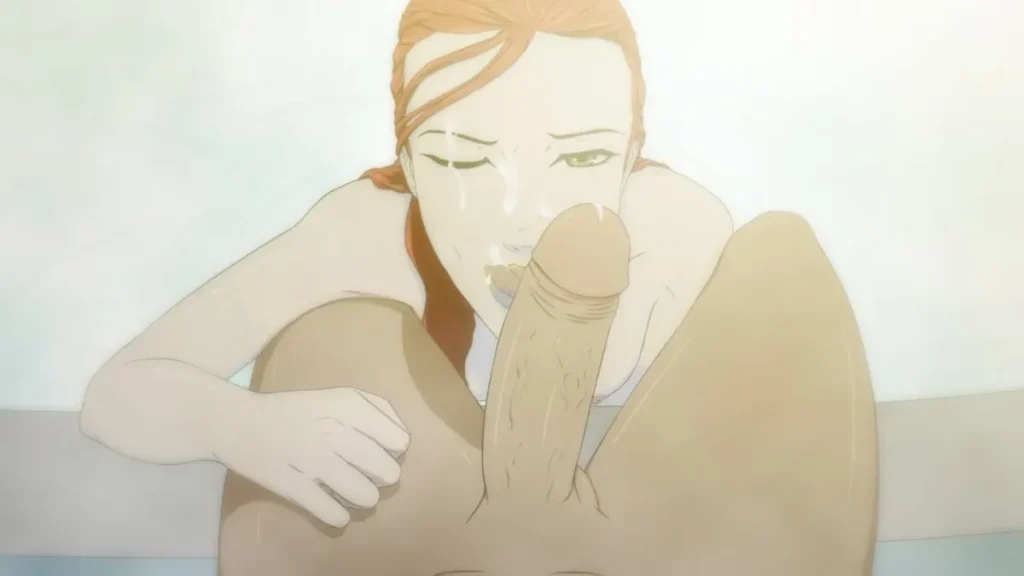
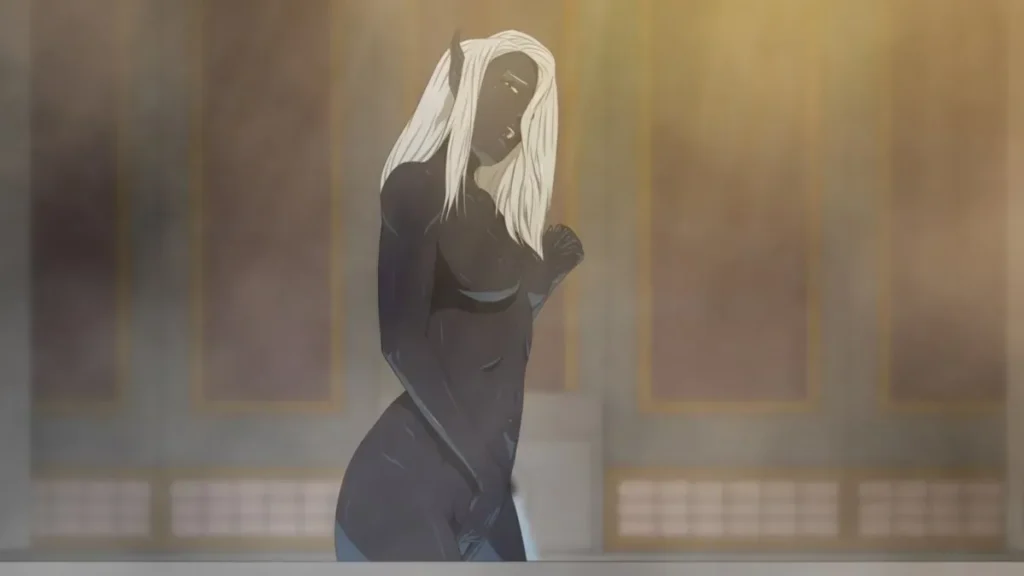
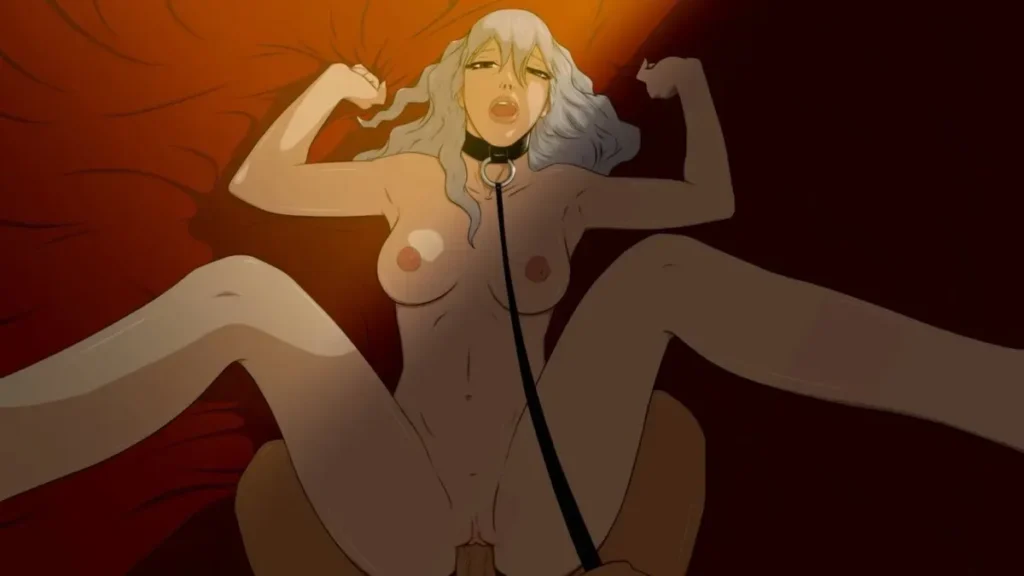
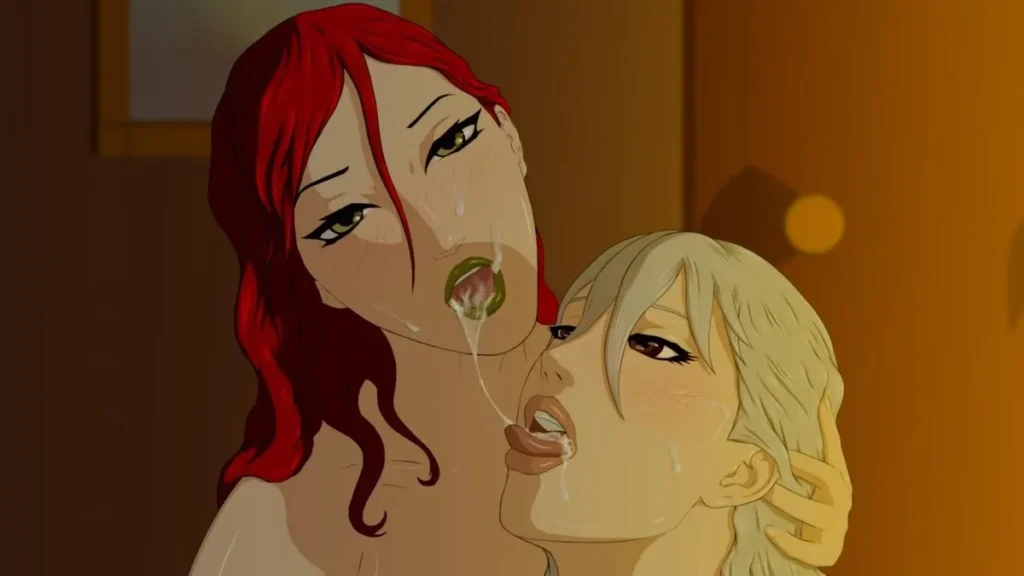
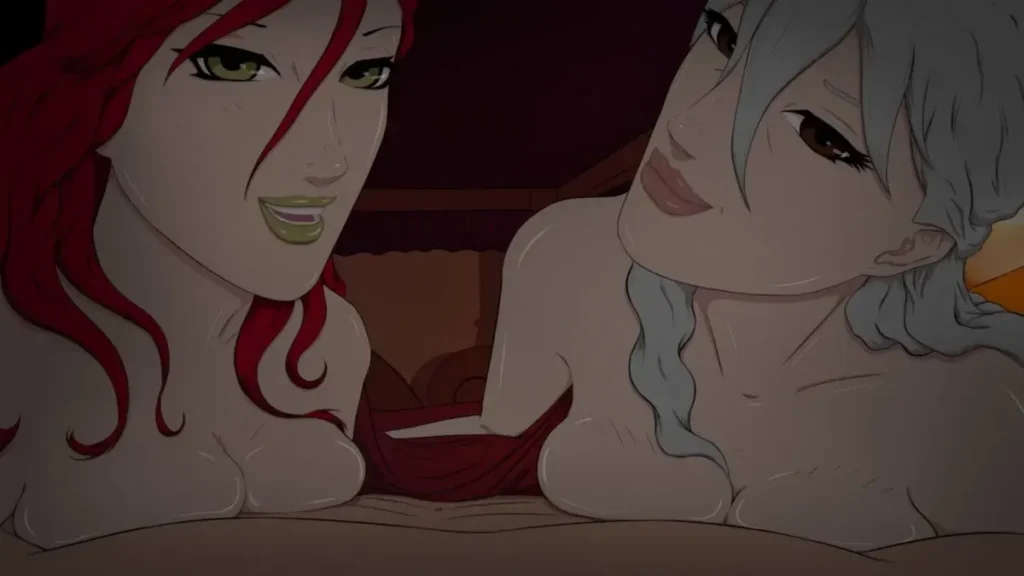
The Fate of Irnia review
Dive into a fantasy world where your decisions unlock romances, battles, and multiple endings
Imagine inheriting a mysterious orb on your birthday that whispers secrets and stirs desires in the kingdom of Irnia, just as orc hordes loom on the horizon. The Fate of Irnia pulls you into a gripping visual novel where every choice shapes alliances, ignites romances, and determines the kingdom’s destiny. I remember my first playthrough—heart pounding during a tense council meeting, only to unlock a forbidden path with a seductive naiad. This game blends high-stakes fantasy adventure with deeply personal, arousing interactions. Whether you’re a fan of branching stories or craving immersive player agency, discover why The Fate of Irnia keeps players coming back for more unique journeys.
What Makes The Fate of Irnia’s World and Story So Addictive?
I still remember the first time I wandered the sun-dappled streets of Elmshadow. 🍃 The air smelled of baking bread and arcane incense, a testament to the Irnia kingdom lore where elves, dwarves, and humans have built a fragile, centuries-old harmony. It felt like stepping into a living painting—a world of serene beauty I instantly wanted to protect. That’s when the town elder mentioned the date. My stomach dropped. The peace was an illusion, a brief respite in a terrifying countdown. For you see, Irnia’s beauty is permanently shadowed by the grim certainty of the orc invasion cycle, a cataclysm that returns like clockwork every twelve years to drown the land in blood and fire.
This relentless rhythm is the brutal heartbeat of The Fate of Irnia. The orc warlord Arworos and his horde don’t just attack; they harvest, seeing the kingdom’s races as resources to be culled. This orc invasion cycle isn’t just a plot device; it’s the suffocating pressure cooker that makes every single one of your visual novel choices matter intensely. You don’t play as a seasoned hero, but as an ordinary person living with your mother and sister, still grieving your father—a knight who died stopping the last invasion. Your life is simple, haunted by legacy, until the eve of the next cycle. That’s when you inherit a strange, locked box from him. Inside isn’t a weapon, but something far more dangerous: a pulsating, sentient magical orb inheritance.
And this, my friends, is where the game truly begins. 🎭
Unveiling the Kingdom of Irnia and Its Looming Threats
The depth of the Irnia kingdom lore is what first sold me on this world. This isn’t just generic fantasy backdrop. You learn of the ancient Accords that bound the races together after a prior war, treaties that are now fraying under the dread of Arworos’s return. The elves in their crystalline forest citadels grow more isolationist, the dwarves in their mountain holds debate sealing the gates, and the human nobles squabble over defense budgets and succession. You feel the political tension in every conversation.
Living in a village on the border, you’re on the front line of this orc invasion cycle. The game masterfully uses environmental storytelling—increased patrols, whispered rumors in the tavern, boarded-up windows—to make the threat feel imminent and real. This rich Irnia kingdom lore provides the stakes. You’re not fighting for some abstract “world”; you’re fighting for the specific blacksmith who fixed your cart, the elven scholar who taught you history, and the home where your family sleeps. When the horns finally sound, and the sky darkens with smoke, the emotional weight is crushing because the game made you care about what’s being lost. This meticulous world-building is the essential canvas upon which your branching story paths are painted.
How Your Inherited Orb Changes Everything
So, about that family heirloom. 🤫 The magical orb inheritance is the ultimate wild card, and it brilliantly redefines the classic “chosen one” trope. This isn’t a tool of pure, righteous power. The orb speaks. It whispers to you, reacts to your emotions, and seems to have desires of its own. It might glow with comforting warmth one moment and pulse with unsettling, seductive energy the next. Your relationship with it becomes a core player agency mechanics puzzle.
Is it a guide? A parasite? A key to unimaginable power? The game never gives you a straight answer, and that’s the point. Your visual novel choices in how you interact with the orb—do you embrace its whispers, resist them, or try to bargain?—fundamentally alter your capabilities and the story’s direction. It might unlock hidden magical affinities, allow you to sense the emotions of others (with dramatic consequences for romance subplots), or even communicate with the orcish horde itself. This magical orb inheritance means no two players have the same protagonist. Your unique dialogue and action options are filtered through the orb’s influence, making your journey deeply personal. One playthrough, it made me a charismatic diplomat able to soothe beast and ally alike. In another, its hungry whispers led me down a path of shadowy manipulation. The orb is the engine of your branching story paths.
Why Branching Narratives Keep You Hooked for Replay After Replay
This brings us to the glorious, time-devouring core of The Fate of Irnia: the branching story paths. I’ve played countless narrative games, but I’ve never been so utterly compelled to immediately start a new save. It’s because the consequences aren’t superficial. We’re not talking about a different line of dialogue or a slightly altered cutscene. We’re talking about entire locations surviving or being wiped off the map, key characters living or dying based on your earlier preparations, and political alliances forming or shattering based on who you chose to trust in Chapter 2.
The game’s structure is a masterpiece of player agency mechanics. Early on, you face a seemingly simple choice: do you spend the last precious days before the invasion shoring up the village defenses, or do you risk the journey to the capital to plead for royal reinforcements? I chose the capital. It was a grueling trip, and I managed to convince a skeptical lord to send troops. I felt brilliant! Returning triumphantly, I found my village… intact, but cold. The blacksmith’s son, who I’d promised to train with, had died in a skirmish during my absence. My sister wouldn’t speak to me for weeks. The “right” choice had a profound personal cost. This is the game’s magic.
These branches create vastly multiple game endings. Not just “good, bad, and neutral,” but endings that reflect the specific tapestry you wove: a bittersweet victory where you rule a rebuilt but lonely kingdom, a tragic defeat where you become a martyr sparking a future rebellion, or even a shocking truce with Arworos that reshapes Irnia’s future in morally ambiguous ways. To show just how drastic these shifts can be, let’s look at how one major decision can fracture the world:
| Your Critical Choice | Immediate World State Impact | Long-Term Unlocked Story Path |
|---|---|---|
| Trust the Elven Enclave with the Orb’s Secrets | Elves commit their arcane archers to the defense. Dwarves, feeling slighted, withdraw support. | Path to an ending where magic is restored, but industry fails. Unlocks unique romantic routes with elven characters. |
| Seek an Alliance with the Dwarven Hold | Dwarves provide impregnable fortifications and war machines. Elves sever diplomatic ties. | Path to a technologically advanced, but ecologically scarred Irnia. Unlocks quests deep within mountain realms. |
| Use the Orb to Personally Mediate a Grand Council | A fragile, three-way alliance forms but is internally tense and slow to mobilize. | Opens the most politically complex path, with high risk of betrayal but potential for the most unified ending. |
This level of consequence is what creates genuine addiction. I obsessed over replaying to see every twist. The multiple game endings aren’t just goals; they’re revelations about the world and your own values. Did I make Irnia stronger, or did I just make it mine? The game forces you to ask these questions.
My best advice for diving in? You cannot see everything in one run, so don’t try. Embrace your first playthrough as your story. But if you want to truly master the branching story paths, start tracking your major decisions early. Here are five key early-game forks and the immense ripples they cause:
- The First Orb Whisper: Do you heed its initial suggestion, or defiantly refuse? This sets your initial “alignment” with the artifact, opening or closing entire dialogue trees for the rest of the game.
- The Tavern Brawl: Do you defend the dwarf being harassed, help the human locals, or try to calmly de-escalate? This single choice determines which faction’s questline you access first, altering available allies for the first major battle.
- Your Sister’s Plea: On invasion eve, she begs you to stay and protect the family home. Leaving secures a crucial strategic location but devastates her, potentially locking her as a companion for your journey.
- The Scout’s Warning: Do you believe the frantic scout reporting an orc feint, or dismiss him as a coward? This decision directly determines which region suffers the initial, devastating attack.
- The Heirloom: Do you give your father’s sword to a promising but green militia member, or keep it for yourself? Giving it away can create a heroic lieutenant later; keeping it unlocks special duel mechanics against orc champions.
In the end, The Fate of Irnia creates something rare: genuine investment. The beautiful, tragic Irnia kingdom lore makes the world worth saving. The terrifying orc invasion cycle makes the threat urgent. The mysterious magical orb inheritance makes your power personal. And the incredible web of branching story paths and multiple game endings, driven by meaningful visual novel choices and profound player agency mechanics, makes the responsibility—and the reward—entirely yours. You’re not just witnessing a fate; you’re sculpting it, one heartbreaking, thrilling, and steamy decision at a time. 🗡️✨
The Fate of Irnia stands out as a masterpiece of interactive fantasy, where your choices craft unforgettable tales of romance, rivalry, and redemption amid orc threats and magical temptations. From the orb’s intimate whispers to diverse paths with characters like Jenny, Ghorza, or mysterious entities, every playthrough feels fresh and personal. I’ve lost count of my replays, each revealing deeper layers of Irnia’s world. If you’re ready to seize command and explore steamy, consequential adventures, dive in today—your destiny awaits. Grab the game, experiment with bold decisions, and share your wildest ending in the comments below!