Intertwined
Play Intertwined
Intertwined Screenshots













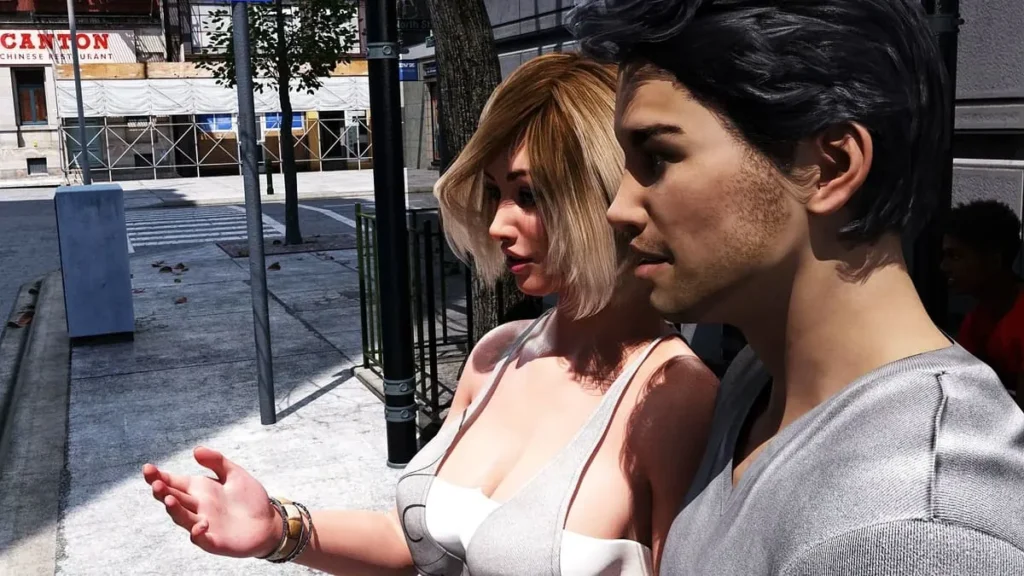
Intertwined review
Dive into Branching Paths and Character Dynamics
Imagine stepping into a world where every choice you make weaves a unique tapestry of relationships and drama—that’s the thrill of Intertwined. This captivating visual novel by Nyx Valeria/NyxVN, currently at version 0.12.3 (with updates like 0.14.1 spotted), hooks you with its interactive storytelling and mature themes of love, betrayal, and self-discovery. I remember my first playthrough: a simple decision to ignore a text message spiraled into a rivalry that changed everything. If you’re wondering how to play Intertwined or craving tips for its branching paths, this guide is your roadmap. Let’s unravel the Intertwined gameplay that keeps players coming back for more.
Mastering Intertwined Gameplay Mechanics
I still remember the moment I realized Intertwined gameplay mechanics were playing for keeps. 🙈 I’d spent hours bonding with Alexis, sharing deep conversations and building what felt like a genuine connection. When a notification popped up about her grandmother’s funeral, I was low on in-game funds and decided, “Eh, I’ll send flowers later. My character needs new shoes more.” Big mistake. That single, seemingly minor choice didn’t just make her sad—it fundamentally reshaped my social circle. Alexis became distant, her friends viewed me with cold suspicion, and a rival I barely knew gained her trust instead. The ripple effect was astonishing. That’s the heart of what is Intertwined gameplay: a delicate web where every thread you pull can unravel or re-weave the entire tapestry of your story.
This isn’t your average click-through story. How to play Intertwined requires you to think, feel, and sometimes just react. It turns you from a passive reader into an active participant, constantly wondering, “What if?” That surprising consequence with Alexis hooked me into an addictive loop of reading, deciding, and watching the ripples spread. I was no longer just playing a game; I was living inside a dynamic, breathing world that remembered my every flaw and favor.
What Makes Intertwined Gameplay So Addictive? 🤔
The magic of Intertwined lies in its powerful cause and effect. You’re not just picking “Good,” “Neutral,” or “Evil” dialogue options. You’re navigating the messy, ambiguous, and deeply personal social dynamics of a group of friends and rivals. The game masterfully constructs an addictive gameplay loop that goes something like this:
- Engage with Rich Narrative: You dive into a beautifully written scene, getting to know characters who feel authentic, with their own desires, insecurities, and secrets.
- Face Meaningful Choices: You’re presented with decisions that range from blatantly moral to subtly nuanced. Do you defend a friend being gossiped about, or join in to gain social points? Do you ask a probing personal question, or respect their privacy?
- Experience Tangible Consequences: The game doesn’t just tell you things changed. It shows you. A character’s posture toward you shifts, future dialogue options vanish or appear, and new story branching paths open based on accumulated trust or friction.
- Driven by Curiosity & Ownership: This is where the addiction truly sets in. You have to know what would have happened if you’d chosen differently. You feel a sense of ownership over “your” version of the story and its characters. This creates an irresistible pull to replay, to explore every avenue, and to see all the possible outcomes your decisions can architect.
It’s this perfect storm of emotional investment and tangible impact that makes understanding Intertwined visual novel mechanics so rewarding. You’re not following a plot; you’re co-authoring it with every selection.
Key Features: Choice Webs and Timed Reactions ⚡
So, what tools does the game give you to build your story? Let’s break down the core Intertwined gameplay mechanics that make this all possible. Two features truly define the experience: the revolutionary Intertwined choice webs and the pulse-pounding timed reactions Intertwined is famous for.
First, the Choice Webs. Forget linear decision trees. Imagine your major story choices visualized as a sprawling, interconnected map. Early, seemingly innocuous decisions—like choosing to study at the library instead of hanging at the cafe—can create connection points (or “nodes”) that enable or block major story branches hours later. This web isn’t always visible to you, but you feel its structure. It means there’s rarely one “right” answer, but a multitude of “different” answers, each leading to a unique narrative strand. It perfectly represents the Intertwined branching paths system, where storylines crossover, diverge, and parallel each other in fascinating ways.
Then, there are the Timed Reactions. Picture this: a character drops a shocking secret or asks you a deeply personal question. A timer bar appears at the bottom of the screen, giving you just 10 seconds to respond. 🕒 There’s no time to overanalyze or look up a guide. You must go with your gut. Do you answer honestly, deflect with humor, or stay silent? These moments are pure narrative adrenaline. They force authenticity and often lead to the most surprising and memorable outcomes, because they mirror how we react under pressure in real life.
But the mechanics go even deeper. Here’s a comprehensive look at the systems working under the hood:
| Mechanic | Function | Player Impact |
|---|---|---|
| Branching Dialogues | Offers 8+ contextual options per major scene, not just good/bad binaries. | Creates 12+ major narrative paths; enables subtle role-playing (sarcastic, shy, assertive, etc.). |
| Emotion Radar | A subtle, color-coded visual cue (like a faint aura or text glow) indicating a character’s shifting mood. | Allows you to read between the lines and predict reactions before you choose your next words. |
| Relationship Points | Hidden Affection & Trust meters that change with every interaction, unlocking or locking content. | Your “reputation” with each character silently guides the story, making each playthrough unique. |
| Point-and-Click Exploration | Navigate environments freely, click on objects or people to interact or gather info. | Adds a layer of discovery and player agency; finding a hidden letter can unlock a new dialogue path. |