
Tropicali
Play Tropicali
Tropicali Screenshots











Tropicali review
Master the Resort, Seduce Staff, and Unlock Every Secret
Imagine inheriting a lush tropical resort from your late father, only to dive headfirst into a world of power, luxury, and unchecked desires. That’s Tropicali, the captivating point-and-click adventure where you manage Tropical resort, seduce employees with job promises, and navigate moral dilemmas in paradise. I remember my first playthrough—lounging in a hammock while scheming my next move felt intoxicating. This guide breaks down everything from core mechanics to steamy scenes, helping you thrive as the boss. Whether you’re solving puzzles or building relationships, Tropicali delivers replayable thrills in a vibrant island setting.
What Makes Tropicali the Ultimate Resort Simulator?
So there I was, staring at a lawyer’s letter informing me I’d just inherited a tropical resort. Sounds like a dream, right? 🏝️ The rush of power was instantaneous—visions of piña coladas and sunset profits filled my head. But the Tropicali game quickly reminded me that paradise always has a price. The resort was falling apart, my late father had some shady unfinished business, and half the property was already sold to a mysterious, intimidating woman. To keep my slice of heaven, I had to strike a deal: manage the resort, make payments, and… provide certain “services.” This isn’t just a spreadsheet simulator; it’s a personal, gripping story where every choice, from fixing a leaky faucet to a flirty comment, writes your legacy.
This is the core magic of What is the Tropicali game? It’s the feeling of truly stepping into someone else’s (slightly worn-out) sandals. You’re not just a faceless manager; you’re a character thrust into drama, with the fate of a beautiful locale and its intriguing staff in your hands. It’s this potent blend of duty and desire that hooks you from the very first click.
How Tropicali Blends Management and Adventure Gameplay
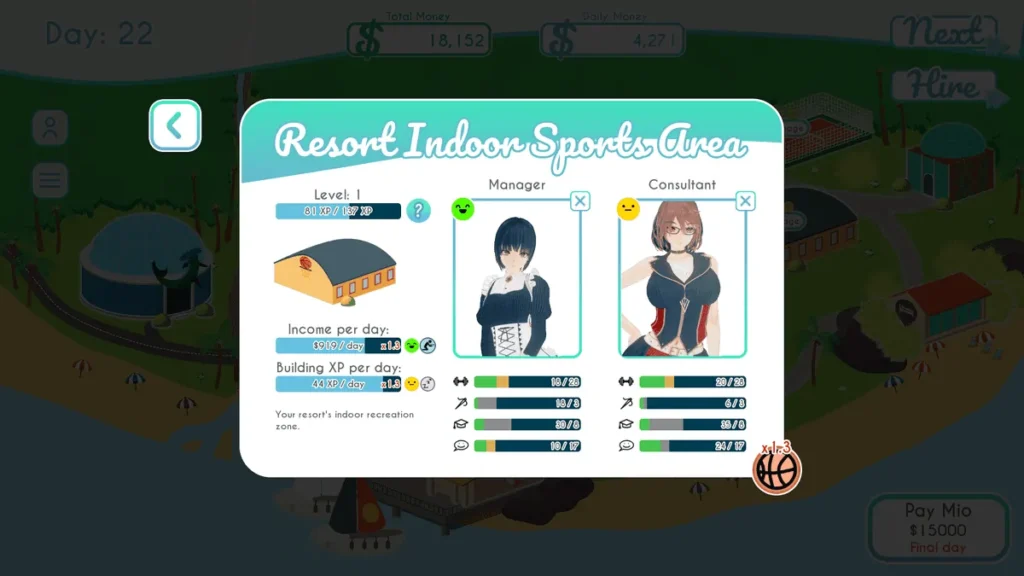
At its heart, Tropicali resort management is about survival and growth. You need to repair buildings, manage finances, and keep the guests (vaguely) happy to generate income. But calling it a “management sim” sells the experience short. 🛠️💰 This is where the “adventure” in Tropicali adventure simulator comes roaring in.
The game brilliantly uses its point-and-click foundations to merge these two worlds. That broken generator isn’t just a line item in a budget; it’s a physical puzzle. You must explore the lush, interconnected environments, find the right tool (or person who has it), and solve the issue yourself. Suddenly, a management task becomes a personal mission. Need a rare part to fix the tour boat? That leads you to a secluded beach, a quirky local merchant, or a tense negotiation with a staff member.
This seamless integration means you’re constantly switching hats. One moment you’re calculating the week’s earnings, the next you’re sneaking into the overgrown gardens to find a specific flower to complete a task for a character. The Tropicali gameplay mechanics ensure the resort never feels like a static backdrop. It’s a living, breathing puzzle box where every locked door and broken item is a thread in the larger tapestry of your story.
Key Features That Hook You from the Start
The Tropicali game is packed with systems designed to immerse you completely. Let’s break down the pillars that make it so addictive.
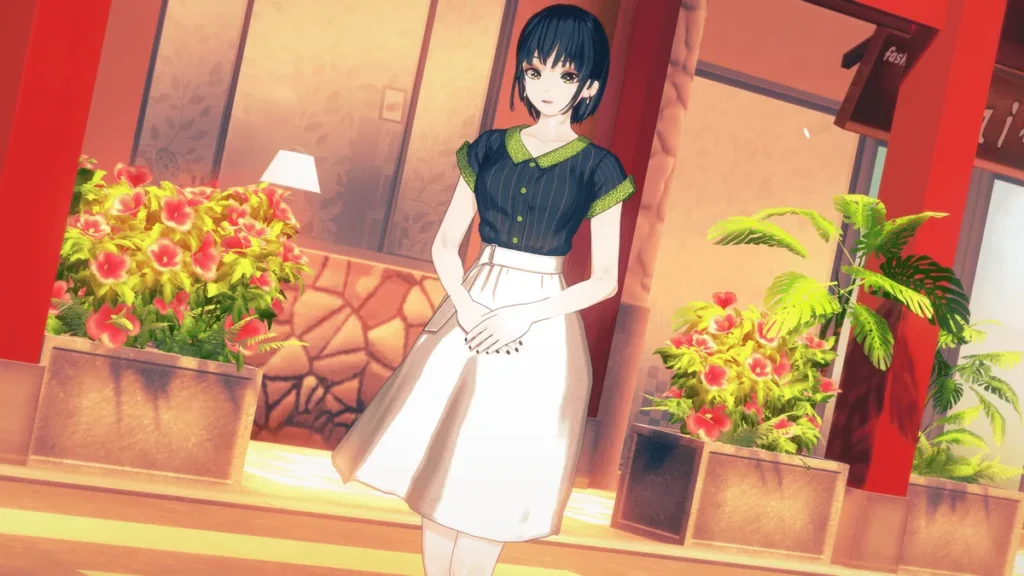
First, the Tropicali point and click interface is your gateway to everything. It’s intuitive and satisfying. You click to explore every nook of the stunning 3DCG-rendered island, from the dilapidated main hall to the pristine private beaches. The environment isn’t just pretty; it’s functional. Hover over objects, and if they’re interactive, you’ll know. This exploration is vital for both practical resort management and uncovering the deep, often humorous, secrets of the island and its past.
Then there’s the inventory and puzzle system. This isn’t about obscure, moon-logic puzzles. 🧩 The puzzles are grounded in the reality of running a resort and navigating social dynamics. You might need to combine items to create a gift to improve a relationship, or find a key item to unlock a new area of the property for renovation. Failure has consequences. I remember once needing a beehive component to help a staff member. I barged in and demanded it aggressively. Not only did I not get the part, but I permanently soured that relationship, locking me out of her storyline and the help she could provide. The game remembers.
Finally, the crown jewel: the dialogue and choice system. Every conversation is a mini-game. You’re presented with Tropicali player choices that have distinct tones—Flirtatious, Sarcastic, Helpful, Aggressive. Your selection doesn’t just change the next line of dialogue; it alters character perceptions, opens or closes story branches, and directly impacts your management capabilities. Be charming, and a staff member might give you a discount on supplies. Be a jerk, and they might sabotage your efforts.
To see how these systems work together, here’s a breakdown:
| Core Mechanic | How It Manifests in Tropicali | Player Agency & Impact |
|---|---|---|
| Exploration & Navigation | Point-and-click interaction with a fully realized island resort. Discover new areas, hidden items, and secret story clues as you repair and upgrade. | You decide where to go and what to prioritize. Exploring the gardens before the dock can lead to entirely different resource and relationship opportunities. |
| Inventory & Puzzle Solving | Collect tools, gifts, and key items. Use them to solve practical problems (fixing equipment) and social puzzles (completing tasks for characters). | Your problem-solving approach directly affects the world. A solved puzzle might unlock a new income stream; a failed one can create a persistent obstacle. |
| Dialogue & Choice | Branching dialogue trees with multiple tonal responses (Flirt, Joke, Demand, etc.). Relationships are built or broken through conversation. | You define your protagonist’s personality. Your choices determine story paths, romantic possibilities, and which endings you will unlock. |
These features are delivered in a package that feels substantial. The current version boasts thousands of high-quality renders and dozens of smooth animations that bring the characters and the lush paradise to life. Having played the developer’s earlier work, it’s clear this is a major evolution—more polished, with far more meaningful Tropicali player choices and interactive systems that make the world feel reactive.
Why Player Choices Drive Replay Value
This is where the Tropicali game truly shines and separates itself from linear experiences. You are not playing a set story; you are authoring your own version of it with every decision. The concept of “replay value” is baked into the DNA of the Tropicali gameplay mechanics.
Think of each playthrough as adopting a different “persona.” Are you the Charming Redeemer, using wit and kindness to win over staff and rebuild the resort through cooperation? Or are you the Ruthless Opportunist, using sarcasm and demands to get what you want, regardless of burned bridges? The game doesn’t judge you; it adapts to you.
Actionable Advice: On your first playthrough, don’t save-scum! Live with your choices. The surprise and consequences are a huge part of the fun. On your second run, pick a diametrically opposite personality to see how much the story can change.
Let’s revisit that beehive example with a different choice path. 🤔
* Choice Path A (Helpful Flirt): You notice the staff member is struggling. You offer assistance in a genuine, slightly charming way. You then embark on a small quest together to find the hive component, sharing moments and dialogue that deepen your connection. This unlocks her personal storyline, leads to romantic possibilities, and she becomes a loyal, helpful ally in managing the resort.
* Choice Path B (Aggressive Demand): You immediately confront her about the part you need. She’s defensive, you’re rude. The conversation ends in hostility. The path to her storyline is permanently locked. She may even raise her prices for services or gossip about you to other characters, making your Tropicali resort management duties harder.
These aren’t just cosmetic changes. They affect available missions, your income potential, which secrets you uncover, and ultimately, which of the multiple endings you will achieve. With a reported 5-8 hours for a single playthrough, the urge to jump right back in and try a new approach is incredibly strong. You’ll constantly wonder, “What if I had said that instead?”
Wrapping up, the genius of Tropicali lies in its confident blend of familiar genres. It takes the tactile satisfaction of a point-and-click adventure, the strategic layer of resort management, and the narrative depth of a choice-driven RPG, and swirls them together into a delicious tropical cocktail. ☀️🍹 The writing is often witty and self-aware, the visuals are lush and inviting, and the sandbox elements make the resort feel like your own personal playground—or prison, depending on how your management is going!
It’s more than a game; it’s a story-generator where you are the main character. Your decisions on how to manage, explore, and interact don’t just fill progress bars—they craft a unique, personal tale of paradise regained, lost, or perhaps something in between. That is the ultimate promise of this captivating adventure simulator.
Tropicali transforms a simple resort inheritance into an addictive mix of strategy, seduction, and story twists that kept me coming back for more playthroughs. From mastering point-and-click puzzles to shaping relationships through clever choices, it’s a paradise where your decisions rule. Dive in, experiment with different tones, and uncover every hidden scene—your tropical empire awaits. Grab the latest version today, relax in that virtual hammock, and let the adventures unfold. What’s your first move as the boss?