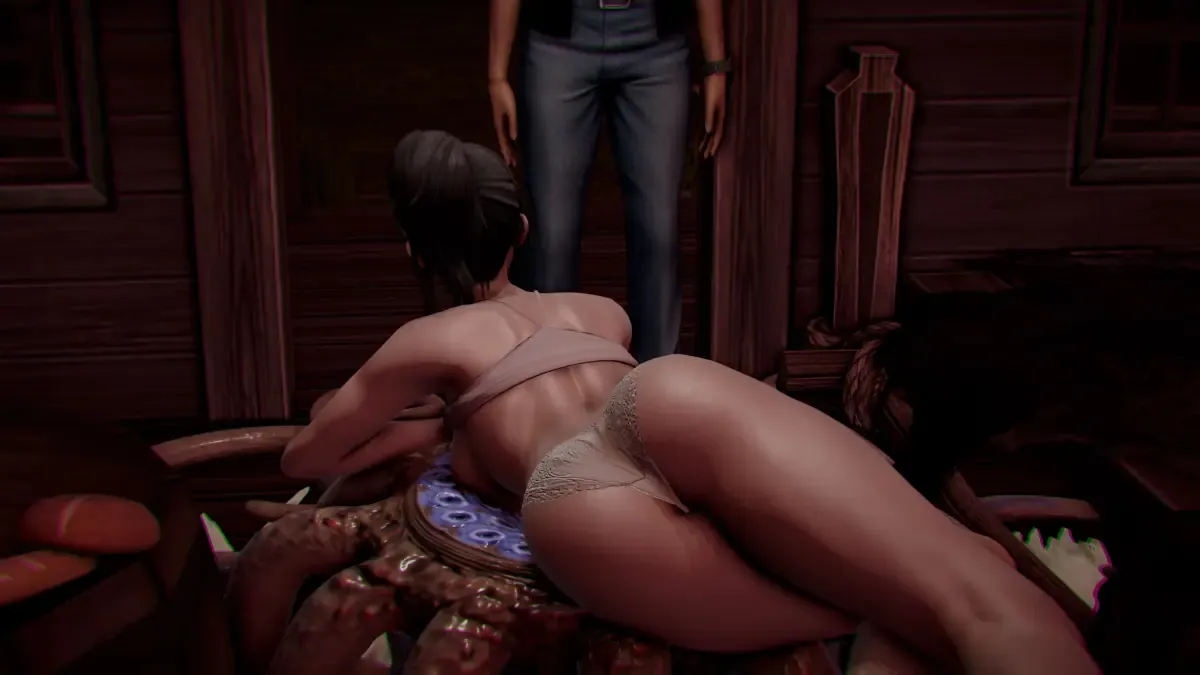
Tainted Heritage – a.k.a Weird Shit Is Going to Happen
Play Tainted Heritage – a.k.a Weird Shit Is Going to Happen
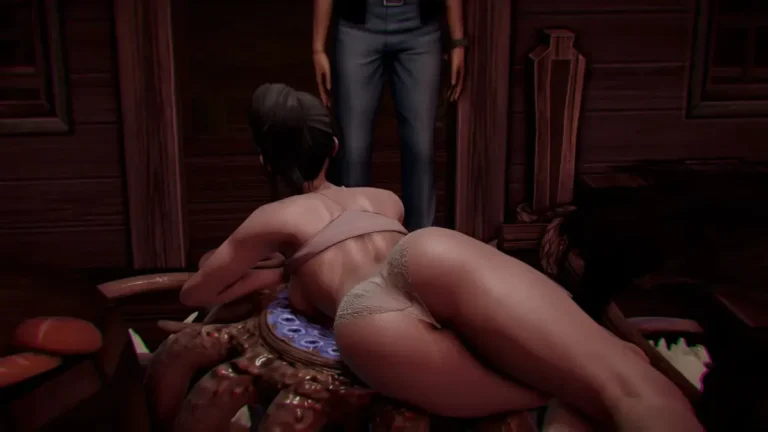
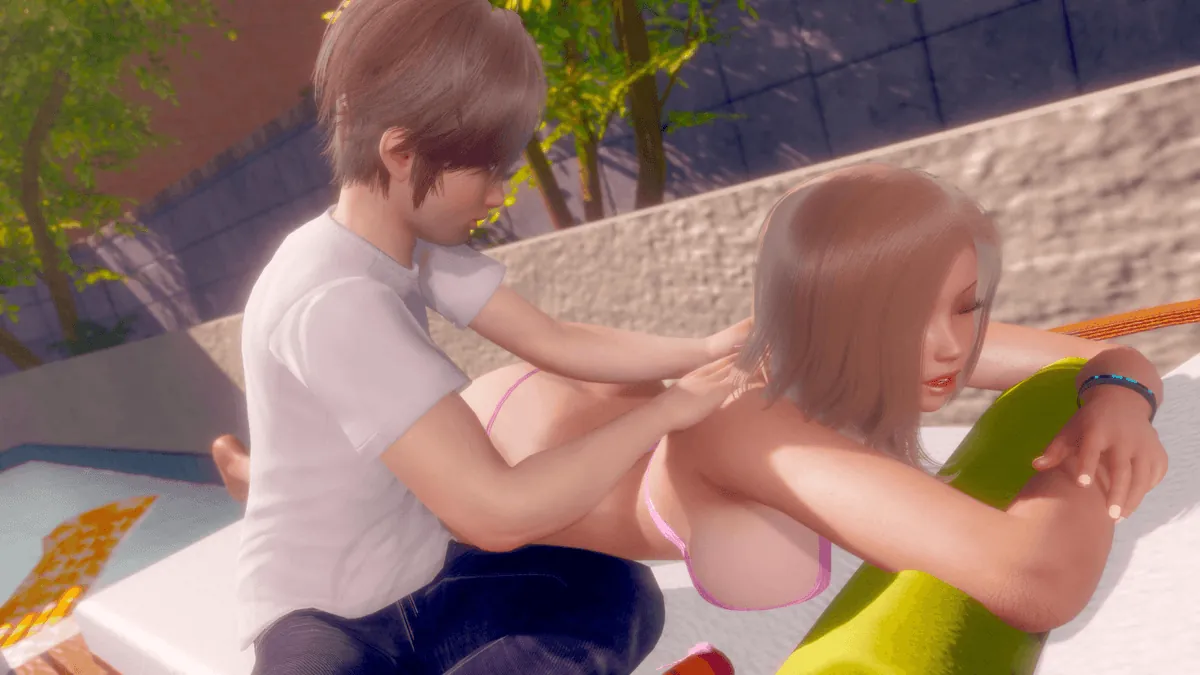
Tainted Heritage – a.k.a Weird Shit Is Going to Happen Screenshots
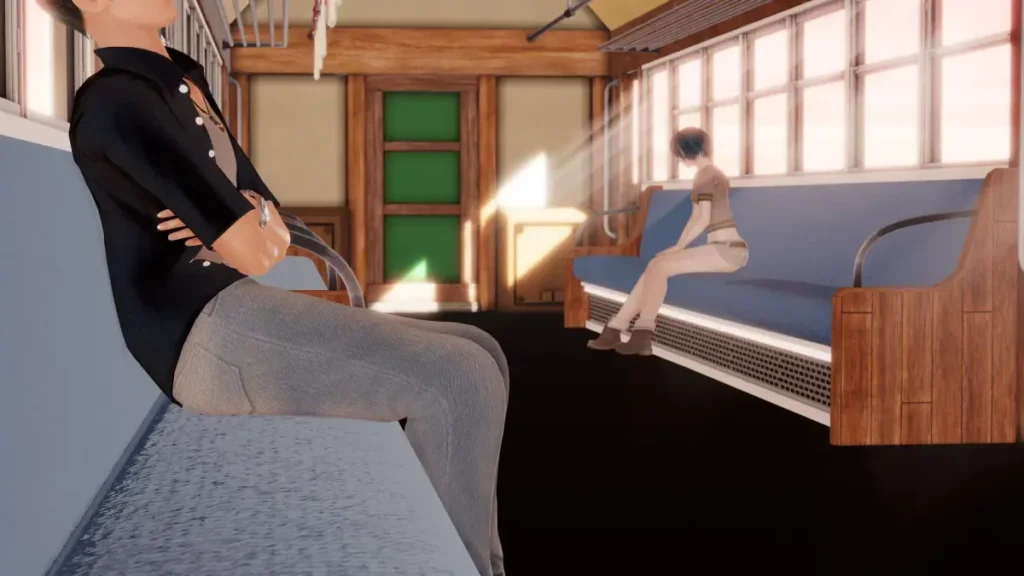
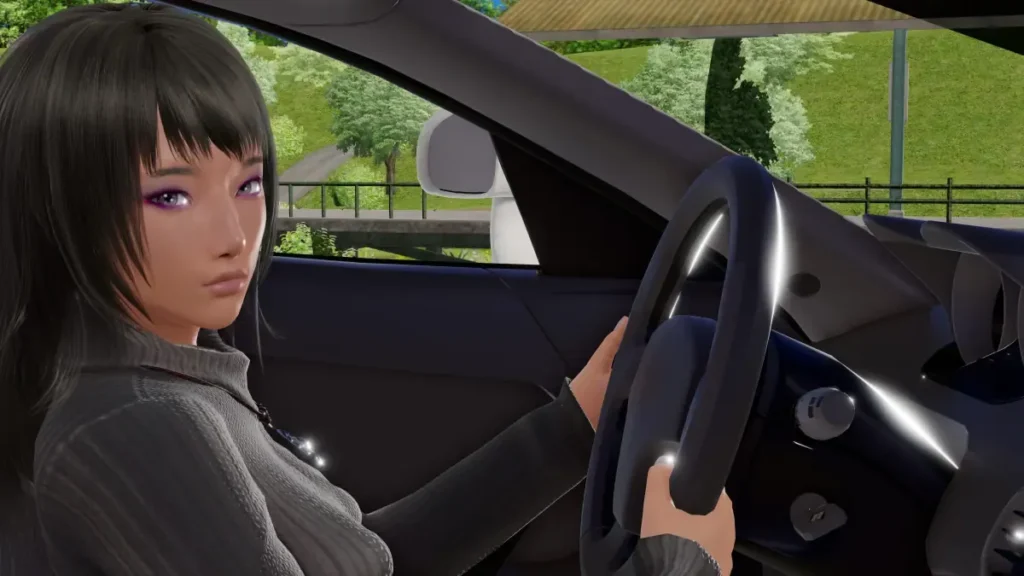
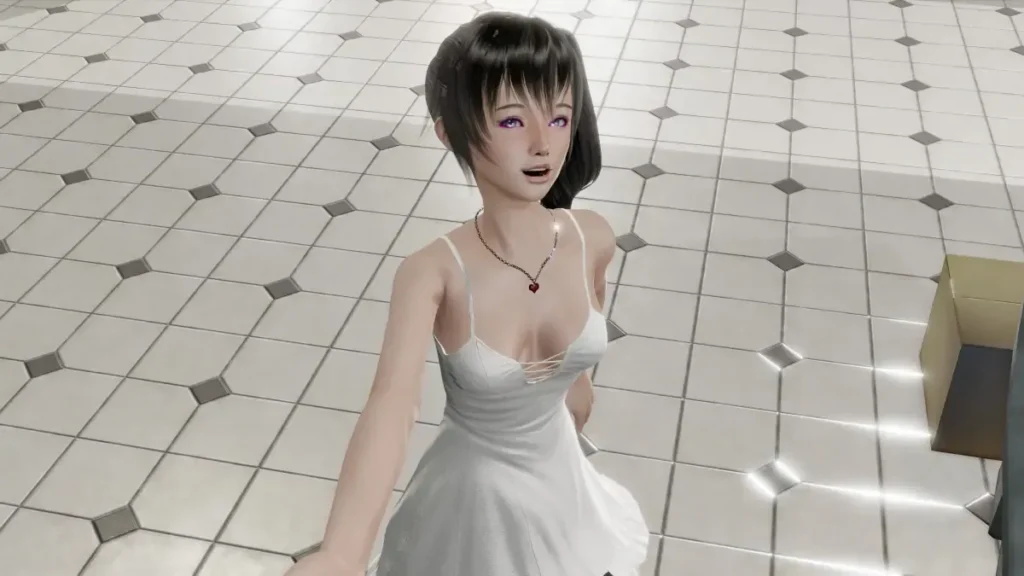
Tainted Heritage – a.k.a Weird Shit Is Going to Happen review
Exploring the Unique Mechanics, Story, and Experience of This Unconventional Adult RPG
Tainted Heritage stands out in the adult gaming landscape as a title that refuses to play by conventional rules. If you’re curious about what makes this game tick—from its narrative structure to its gameplay mechanics—you’ve come to the right place. This guide explores the distinctive features that set Tainted Heritage apart from typical adult games, examining everything from character interactions to world-building choices. Whether you’re a seasoned player or considering diving in for the first time, understanding what this game offers will help you decide if it’s worth your time and attention.
Understanding Tainted Heritage: What Makes It Different
Ever downloaded one of those games? You know the kind. The thumbnail promises an epic adventure, but you’re three clicks in and it’s just… well, it’s rubbish. The “RPG” part is a menu, the “story” is a cardboard cutout, and the so-called “gameplay” is just a tedious barrier between you and the content you actually wanted. 🙄 Been there, done that, got the profoundly underwhelmed t-shirt.
Let’s talk about something that flips that script entirely. Enter Tainted Heritage – a.k.a Weird Shit Is Going to Happen. This isn’t just another entry in the crowded field of narrative-driven adult games; it’s a defiant, clever, and deeply engaging reinvention of what the genre can be. It’s the game you show to someone who says, “Adult games have no substance,” just to watch their jaw hit the floor.
So, what is it, really? At its heart, Tainted Heritage is a story-rich, choice-heavy RPG that refuses to put its mature themes in a separate box from its compelling Tainted Heritage gameplay mechanics. It asks a brilliant question: what if the intimate relationships and personal drama were the core progression system, woven directly into the combat, exploration, and plot? The answer is a game that feels whole, where every facet supports the other. This Tainted Heritage game review is here to unpack exactly how it pulls off this magic trick.
The Core Concept and Setting
Forget medieval fantasy trope #47. Tainted Heritage drops you into a world that feels freshly forged, a gritty, industrial-tinged realm recovering from a cataclysmic war. Magic exists, but it’s often dangerous, corrupting, and tied to a mysterious blight—the “Taint” of the title. You play as Kaelen, a young man returning to his hometown of Silvard after years away, only to find it simmering with tension, strange occurrences, and shadows from his own past.
The “Weird Shit” in the subtitle isn’t just for show. 😅 One moment you’re dealing with local gang politics, the next you’re investigating spectral hauntings or bizarre mutations. The tone is a masterful blend. It knows when to be dark and serious, dealing with themes of trauma, prejudice, and legacy. But it also has a sharp, witty sense of humor about itself and its genre, never veering into self-parody but ensuring the journey is fun. This balance is central to the Tainted Heritage story elements; the world feels lived-in and consequential, but it doesn’t demand you take everything with grim-faced solemnity.
What sets the premise apart in the realm of narrative-driven adult games is integration. The adult content isn’t a reward tacked on the end. It’s a language. It’s a form of character expression, a narrative turning point, a mechanic for deepening bonds that provide tangible, gameplay-altering benefits. The game treats these moments with a focus on context, character agency, and player choice and agency. It’s about the “why” and the “who,” not just the “what.” This foundational philosophy makes all the difference.
Gameplay Mechanics and Structure
This is where Tainted Heritage truly separates itself from the pack. Instead of choosing between a visual novel and an RPG, it asks, “Why not both?” And then it builds a bridge between them so seamless you’ll forget they were ever separate genres.
Let’s break down the adult RPG game structure. The game is mission-based with a hub world. You operate out of Silvard, accepting jobs from a board, pursuing main story quests, or simply exploring to uncover secrets and build relationships. This structure provides fantastic pacing. You control the rhythm. Want to barrel through the main mystery? Go for it. Prefer to spend a week (in-game) getting to know every resident, unlocking their side stories, and boosting your combat capabilities through those bonds? That’s not only possible, it’s encouraged. The “open-world” feel comes from narrative freedom, not an empty map to traverse.
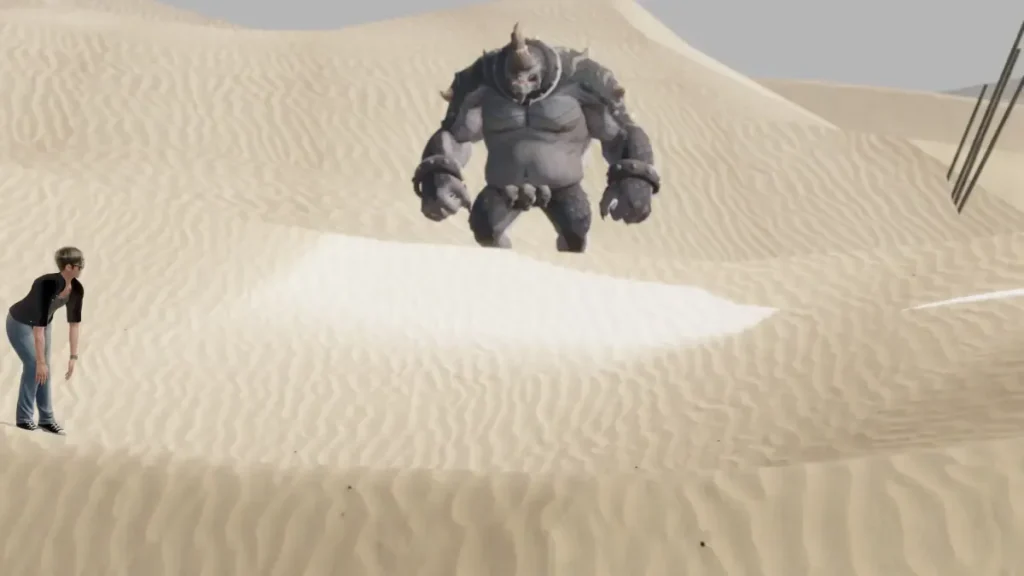
The combat is a legit, satisfying turn-based system. You have a party, each character with unique skills, elemental affinities, and roles (tank, damage, support). Battles require strategy: managing a stamina-like resource, exploiting enemy weaknesses, and setting up combos. Here’s the killer feature: your character relationship system directly powers up your combat prowess. A closer bond with a party member might unlock a powerful dual technique, provide stat bonuses when you fight side-by-side, or give you access to unique healing or buffing skills in battle. The game literally makes your emotional investments pay dividends in combat effectiveness. 💪
Progression is twofold. You have the standard RPG leveling-up, skill points, and equipment. But parallel to that is the relationship progression, which is just as detailed and impactful. Improving a relationship requires meaningful conversation, giving gifts they actually like (not just clicking a “like” button), and making choices that align with their values. It’s a system that demands attention and thought.
To visually cement how different this is, let’s pit it against the standard template:
| Feature | Typical Adult Game | Tainted Heritage |
|---|---|---|
| Gameplay Depth | Minimal; often simple stat checks or visual novel clicks. | Rich, strategic turn-based combat with skill trees and party management. |
| Story Focus | Thin pretext to connect scenes; often linear. | Complex, branching narrative with major plot twists and deep lore. |
| Character Development | Characters are often archetypes defined by a single trait. | Characters have detailed backstories, personal quests, and evolving personalities. |
| Player Agency | Illusion of choice, leading to the same few outcomes. | Meaningful choices that alter relationships, story paths, and end-game outcomes. |
This table isn’t just a comparison; it’s a declaration of intent. Tainted Heritage gameplay mechanics are designed to be engaging in their own right, making the world and its characters matter beyond any single scene.
Character Development and Relationships
If the combat is the skeleton and the story is the flesh, then the character relationship system is the beating heart of Tainted Heritage. This isn’t a “affection meter” you max out. It’s a nuanced, multi-layered simulation of building trust, understanding, and intimacy.
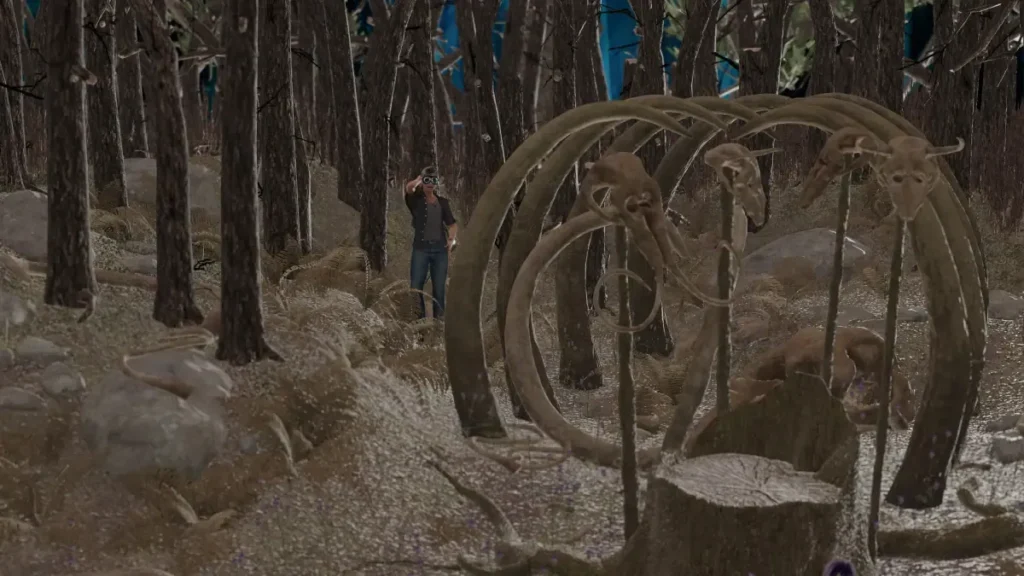
Every major character is a vault of secrets, trauma, and desires. Elara, the stern knight, grapples with duty versus personal guilt. Marcus, the roguish bartender, hides a strategic mind behind a carefree facade. Getting to know them isn’t a task; it’s the game’s greatest reward. Through conversations that feel genuine and choices that test your morals, you learn their stories. And I mean really learn them. The game dedicates significant time to “bonding” scenes that are often just talking—walking through a forest, sharing a drink after a mission, dealing with a personal crisis. These moments are where the Tainted Heritage story elements truly shine, building a profound sense of camaraderie (or more).
Personal Insight: In my first playthrough, I completely misread a character. I thought they were just arrogant and pushy. But by consistently choosing to hear them out during arguments and supporting their (seemingly reckless) independent goals, I unlocked a series of scenes that recontextualized their entire personality. It was a moment of genuine narrative surprise that didn’t feel cheap, because I had earned that revelation through patience.
This system is the ultimate expression of player choice and agency. Your decisions in dialogue and quest outcomes directly and visibly shift your standing with characters. A choice that helps one person might alienate another. Do you uphold the law for the town’s safety, or break it to help a friend in desperate need? The game doesn’t label these as “Good” or “Evil.” It frames them as personal loyalties and philosophical stances, and the characters remember.
Let’s get concrete. Early on, you might be tasked with dealing with a group of desperate townsfolk illegally harvesting Tainted plants for medicine. The lawful choice is to shut them down and confiscate the dangerous goods. The empathetic choice is to look the other way or even help them.
- Choice A (Law): You gain respect from the town guard and officials. Characters who value order and stability will approve. However, characters with a rebellious streak or who come from struggling backgrounds will see you as rigid and uncaring. A specific companion, whose sister is sick and needs that medicine, might become colder, locking you out of their personal quest and the powerful combat abilities it unlocks.
- Choice B (Empathy): You gain trust with the common folk and the more rebellious companions. You unlock the sick sister’s side quest, deepening that relationship and gaining a strong ally. However, the town authorities now view you with suspicion. Later quests from the guard might pay less, or they might withhold crucial information, making a future mission harder.
This ripple effect is constant. The game’s approach to intimacy is an extension of this philosophy. Scenes are earned through emotional connection, not just completion of tasks. The game emphasizes consent and mutual desire, often presenting you with dialogue options to proceed or to slow down, ensuring the narrative pace feels natural. This respect for the characters elevates the entire experience, making those moments feel like a genuine part of the story’s fabric rather than a detached spectacle.
In the landscape of narrative-driven adult games, Tainted Heritage stands as a towering achievement precisely because of this synergy. Its Tainted Heritage gameplay mechanics serve its story, and its story gives weight to its mechanics. The adult RPG game structure provides a framework for meaningful exploration—of both a world and the people in it. Your player choice and agency aren’t an illusion; they are the tools you use to carve your unique path through a tale of weird shit, heartfelt connections, and the weight of a Tainted Heritage you must ultimately define for yourself. It’s not just a game you play; it’s a story you live, fight for, and feel deeply. And that makes all the difference. ✨
Tainted Heritage represents a thoughtful approach to adult gaming that prioritizes storytelling, character depth, and player agency alongside its mature content. The game demonstrates that adult games can offer meaningful gameplay experiences, complex character relationships, and narratives that respect player choice. Whether you’re drawn to the relationship mechanics, the RPG elements, or the unconventional storytelling approach, Tainted Heritage offers something distinct in a crowded genre. If you’re interested in games that blend mature themes with substantive gameplay and character-driven narratives, exploring what Tainted Heritage has to offer could be a rewarding experience. Consider starting with the early game to get a feel for the mechanics and tone before committing to a full playthrough.