Strangers on Paper
Play Strangers on Paper
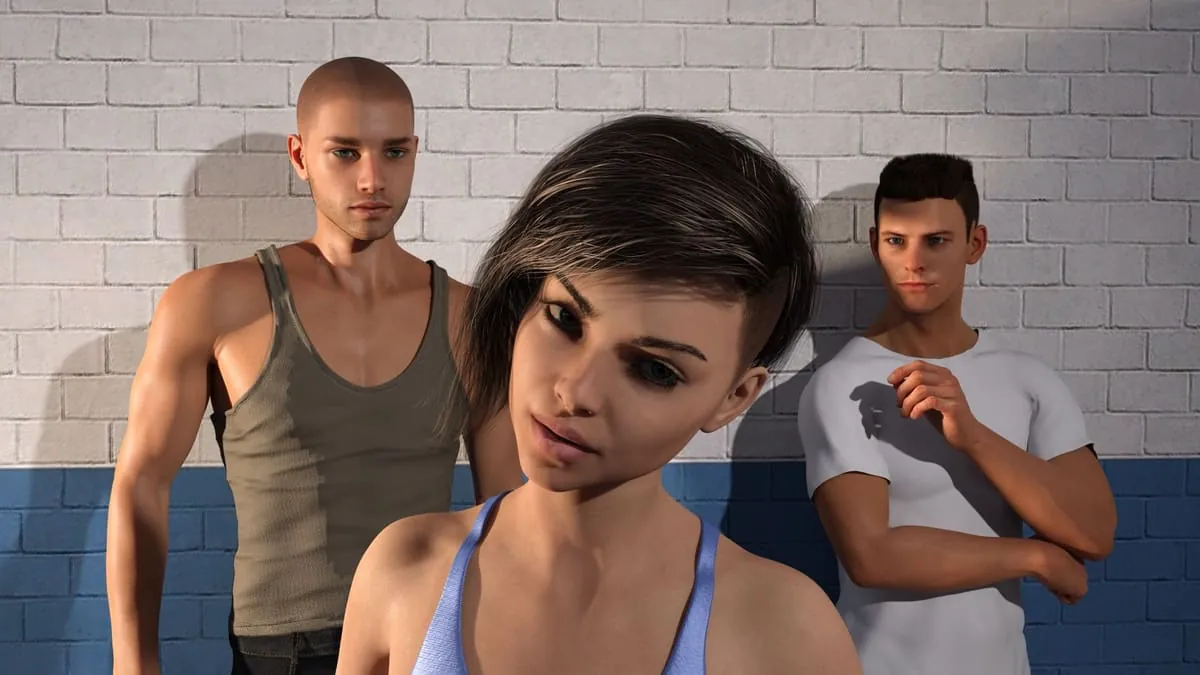
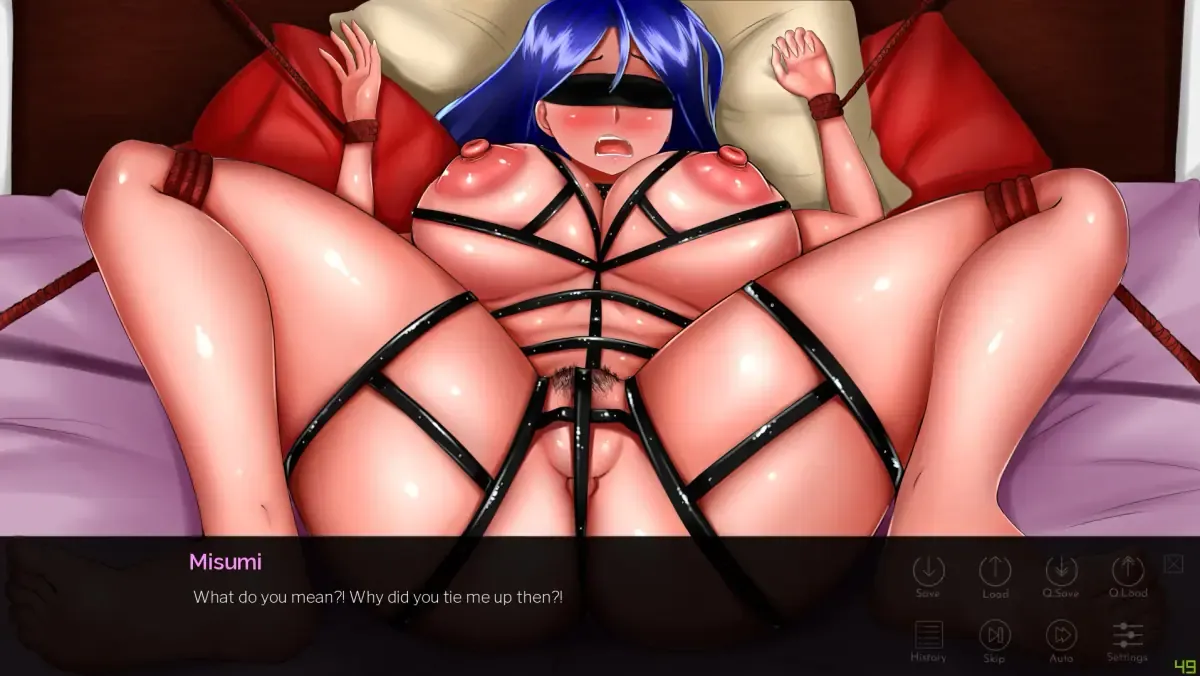
Strangers on Paper Screenshots









Strangers on Paper review
Exploring narrative depth and character development in this acclaimed adult visual novel
Strangers on Paper stands out in the visual novel landscape as a title that prioritizes compelling narrative and well-developed characters. Unlike many entries in its genre, this adult visual novel combines engaging storytelling with meaningful character arcs that resonate with players. Whether you’re new to visual novels or a seasoned enthusiast, understanding what makes Strangers on Paper unique can help you decide if it’s the right experience for you. This guide explores the game’s core features, narrative structure, and what players can expect from their journey through this distinctive title.
Understanding Strangers on Paper: Core Features and Gameplay
Ever downloaded a visual novel expecting a breezy romance, only to find yourself three hours later, staring at the screen, emotionally wrecked because a fictional character asked you a simple question about trust and you had to genuinely confront your own answer? 😮 That was my first night with Strangers on Paper. I went in for the beautiful art and stayed for a narrative that refused to let me be a passive observer. This isn’t just another story you click through; it’s a conversation you actively shape, and the game’s core design makes that experience incredibly profound.
So, what’s the secret sauce? Let’s peel back the layers and understand what truly defines this experience. This chapter is your deep dive into the mechanics, the narrative engine, and the heart of what makes Strangers on Paper a standout title.
What Makes This Visual Novel Different 🎭
If you’ve played a few visual novels, you know the common rhythms: linear storytelling, dialogue choices that lead to obvious “good” or “bad” endings, and character routes that feel siloed off from each other. Strangers on Paper throws that playbook out the window. Its philosophy is built on interconnectedness and authentic consequence.
From the very first scene, you feel a difference. The writing possesses a literary quality, focusing on internal monologue, subtext, and the quiet, awkward, or poignant moments between big events. The characters, August and Simone, don’t exist solely for the player’s benefit. They have rich, messy lives independent of you, and your role is to step into their intersecting world at a pivotal moment. The game masterfully uses its visual novel narrative structure not just to tell a story, but to simulate the delicate, often unpredictable process of building real human connection.
Here are the key gameplay features and mechanics that define the Strangers on Paper experience:
- Dual Perspective Narrative: You don’t just control a silent protagonist. You guide both August and Simone at different points, seeing the world—and each other—through their distinct, often conflicting, lenses. This is a masterclass in character development in visual novels.
- The “Influence” System: There are no traditional meters labeled “Love” or “Trust.” Instead, your subtle choices shape each character’s internal state—their mood, their insecurities, their opening up—which indirectly influences how they interact with the other person later.
- Braided Story Paths: Instead of choosing “Route A” or “Route B,” your decisions create a unique braid of their two stories. Choices made while controlling August can dramatically alter a scene you experience hours later as Simone, and vice-versa.
- Temporal Pacing: The story unfolds over a condensed, impactful period. This isn’t a years-long epic; it’s an intense snapshot of a crucial turning point, which heightens the weight of every interaction and decision.
To see how this stacks up, let’s break it down visually:
| Feature | Traditional Visual Novel Approach | Strangers on Paper’s Approach |
|---|---|---|
| Player Role | Often an outsider influencing a closed story. | An integral participant co-authoring a dynamic relationship. |
| Choice Impact | Often binary, leading to major branch points. | Subtle, cumulative, affecting tone, understanding, and emotional payoff. |
| Character Arcs | Frequently linear and predictable within a route. | Organic, reactive, and deeply intertwined with the other character’s journey. |
| Narrative Goal | To reach a defined ending (e.g., “good ending”). | To discover an authentic outcome for this specific combination of choices and personalities. |
This foundational difference is what fuels every other aspect of the game. It creates a space where player choice impact story on a level that feels personal rather than programmed.
Narrative Structure and Story Progression 📖
The visual novel narrative structure in Strangers on Paper is a delicate, non-linear dance. Forget the concept of a single “main path” with occasional detours. Here, you are constantly weaving the thread of the narrative itself.
The game is built on a framework of branching storylines gameplay, but the branches aren’t just huge, glaring forks in the road. They are more like the subtle growth rings of a tree, each small decision adding a layer that changes the entire shape. A choice to be vulnerable in one chapter might not change the plot point in the next chapter, but it will fundamentally change the emotional context of that plot point. Does a moment of confession feel cathartic or terrifying? Is a period of silence comfortable or strained? The plot events are the skeleton, but your choices determine the muscle, flesh, and soul that hang on it.
This is achieved through a sophisticated flagging system that tracks more than just major decisions. It tracks attitudes, shared secrets, and even unspoken misunderstandings. The game then uses these flags to modify dialogue, internal narration, and scene transitions. You might get an extra line of introspection, a different camera focus during a key moment, or an entirely alternative way for a conversation to resolve.
Pro Tip: Don’t try to “game” the system on your first playthrough. The most rewarding way to experience Strangers on Paper is to make choices that feel true to how you perceive August and Simone in that moment. The narrative is designed to make every emotional logic valid, leading to a unique, coherent story.
The pacing is also a critical part of the Strangers on Paper gameplay features. The story uses its timeline brilliantly, with gaps between encounters that allow your choices to “breathe.” You feel the weight of a difficult conversation because the game gives you, and the characters, time to sit with it. This slow burn makes the climactic moments of connection—or conflict—explode with earned power. It’s a narrative structure that demands and rewards your emotional investment, keeping you engaged not through constant cliffhangers, but through profound character investment. 😌
Character Development and Relationship Mechanics 💞
This is where Strangers on Paper truly shines. Character development in visual novels often happens to characters based on your choices. Here, it happens through them, and it’s a two-way street. August and Simone are fully realized individuals with flaws, fears, and defenses. Your role isn’t to “fix” them or steer them toward a perfect version, but to navigate the messy, beautiful process of them connecting with each other.
The relationship mechanics visual novel enthusiasts should pay attention to are invisible. There’s no “+5 Romance” pop-up. Instead, development is measured in glances held a beat too long, in a subject cautiously broached then safely changed, in the type of joke one makes to deflect vulnerability. The game’s brilliant use of dual perspective means you often get to see the immediate, internal reaction of one character to the other’s action. You see Simone’s internal panic when August makes a self-deprecating comment she misunderstands. You feel August’s cautious hope when Simone shares a small, personal detail. This creates a thrilling, sometimes agonizing, dramatic irony—you know more than either character does on their own.
Let’s look at an example of how player choice impact story and relationships:
- Scenario: August, who struggles with professional insecurity, has a minor career setback.
- Choice as Simone: You can choose to directly ask about it (“You seem upset about work”), offer a light distraction (“Forget work, let’s get coffee”), or make a vaguely supportive comment (“Rough days happen”).
- The Impact: This choice doesn’t lock you into a “Sympathy Route.” Instead, it sets a precedent.
- The direct approach might make August feel seen but exposed, making him more likely to be openly vulnerable later or cause him to build a higher wall.
- The distraction could be read as compassionate avoidance, creating a safe space but potentially establishing a pattern of not addressing tough issues.
- The vague comment might leave August feeling alone, subtly shifting future interactions toward more superficial territory.
- Crucially, the game remembers this. Weeks later (in game time), during a bigger crisis, August’s reaction will be tinted by the pattern you established here. Did you build a foundation for honest communication, or a habit of polite avoidance?
This granular level of cause and effect is what makes the relationship mechanics so powerful. You’re not picking dialogue options; you’re establishing the very language of their relationship.
The character development is therefore a joint project. As you play, you witness August and Simone slowly, imperfectly, learning each other’s languages. You see their defenses soften not because you chose “Say something nice,” but because a sequence of your choices created an environment where letting a guard down felt possible, maybe even safe. Their growth feels earned, unpredictable, and deeply moving. You finish a playthrough not with a checklist of scenes unlocked, but with the profound feeling of having witnessed—and facilitated—a real human connection blossom, stumble, and find its own unique shape. 🌸
This deep dive into the core features reveals that Strangers on Paper is more than a game about relationships; it’s a sophisticated tool for experiencing them. Its commitment to a reactive narrative, profound character interiors, and mechanics that serve subtlety over spectacle sets a new bar for what the visual novel format can achieve. It proves that the most compelling stories aren’t just told; they are carefully, collaboratively built, one authentic choice at a time.
Strangers on Paper represents a thoughtful approach to visual novel design, emphasizing character depth and narrative quality over surface-level content. The game’s commitment to well-developed characters and compelling storytelling creates an experience that appeals to players seeking meaningful interactive fiction. Whether you’re drawn to the relationship dynamics, the branching narrative paths, or simply the quality of the writing, Strangers on Paper offers a distinctive entry point into the visual novel medium. For those interested in exploring this title, taking time to appreciate the character arcs and narrative choices will enhance your overall experience and help you discover why this game has garnered attention within the visual novel community.