
Randel Tales
Play Randel Tales
Randel Tales Screenshots









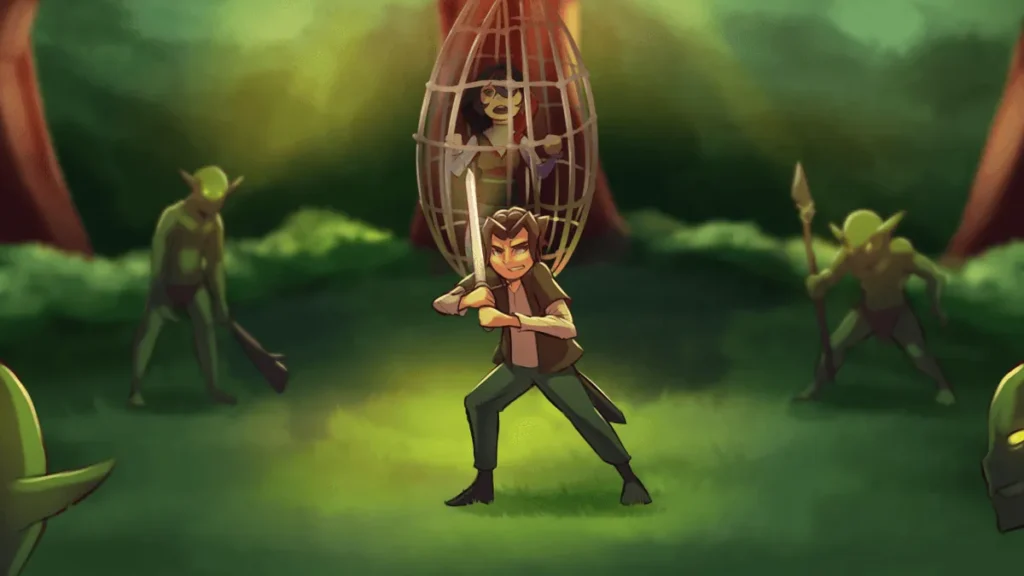






Randel Tales review
A deep dive into the indie RPG that combines engaging mechanics with character-driven storytelling
Randel Tales stands out as an indie RPG that successfully blends engaging gameplay mechanics with meaningful character interactions and consequential decision-making. This game has garnered attention from players who appreciate titles that go beyond surface-level content to deliver genuine narrative depth and strategic gameplay elements. Whether you’re interested in the academy-based progression system, the character-driven storylines, or the unique mechanics that set it apart from other indie titles, understanding what makes Randel Tales compelling can help you decide if it’s the right game for your collection. In this guide, we’ll explore the key features, gameplay systems, and what players are saying about their experiences.
Core Gameplay Mechanics and Progression Systems
Stepping into the world of Randel Tales, you’re quickly met with more than just a charming story and pixel-art vistas. Beneath the surface lies a surprisingly intricate web of systems that govern your growth and success. 🧩 It’s a game that respects your intelligence, but—as many players, including myself, discovered—it doesn’t always hold your hand while doing so. My first few hours were a mix of wonder and mild panic, realizing that the choices I made in those early skill progression system menus would echo throughout my entire journey.
This deep dive is all about pulling back the curtain on those very systems. We’re going to unpack the brilliant, and sometimes cryptic, Randel Tales gameplay mechanics that make it such a standout indie RPG. From wrapping your head around the initial stats system allocation to acing those nerve-wracking academy tests, we’ll cover everything you need to master the game’s unique approach to growth. Consider this your personal character progression guide to avoiding early pitfalls and building the adventurer you truly want to be.
Understanding the Stats and Skill Allocation System
Let’s talk about that first major crossroad, the moment the game quietly asks, “So, what kind of hero will you be?” Early on, you’re introduced to the core stats system allocation menu. Here’s my confession: I totally botched it on my first run. 🚨 The game presents you with several primary skills like Magic, Hunting, Crafting, and Social, each with their own sub-skills. The interface is clean, but the long-term impact of each point spent isn’t immediately clear. I remember dumping my first few precious points into a bit of everything, thinking I’d create a well-rounded jack-of-all-trades. Big mistake.
The brilliance—and initial hurdle—of Randel Tales’ skill progression system is that it’s deeply tied to action. You don’t just get points from leveling up after combat. Instead, skill points are earned by using those skills in the world. Want to get better at Foraging? Go pick herbs in the forest. Want to improve your Persuasion? Talk to every NPC and choose dialogue options that challenge you. This “learn by doing” philosophy is immersive, but it means your early point allocation is a critical investment that unlocks your ability to practice and improve certain skills. It’s a gatekeeper, in the best and most challenging way possible.
So, how do you navigate this? The key is to think of your initial stats system allocation as choosing your starter toolkit. Look at the sub-skills under each main branch and pick one or two specializations that align with your desired playstyle. Do you see yourself identifying monster weaknesses from the monster book and exploiting them? Invest in Hunting. Drawn to solving puzzles with elemental magic or brewing potent potions? Magic and Crafting are your friends. The game’s world reacts to your capabilities; certain dialogue paths, quest solutions, and resource opportunities will only open up if you have the requisite skill level.
Pro Tip from a Re-roller: Don’t be afraid to restart after an hour or two once you understand the flow! My second playthrough, where I focused heavily on Magic and Botany early, was infinitely smoother and more rewarding than my scattered first attempt.
Here’s a breakdown of the primary skill paths to help you decide on your how to allocate skill points strategy:
| Primary Skill | Key Sub-Skills | How It’s Leveled | Gameplay Impact |
|---|---|---|---|
| Magic 🔮 | Elemental Lore, Arcana, Meditation | Solving environmental puzzles with magic, using magical items, succeeding in magic-based dialogue checks. | Unlocks alternative puzzle solutions, access to hidden magical areas, and powerful combat utilities. |
| Hunting 🏹 | Tracking, Monster Lore, Skinning | Successfully identifying monsters in the field, landing critical hits on known weaknesses, harvesting materials from beasts. | Grants combat advantages, provides rare crafting materials, and unlocks detailed monster book entries faster. |
| Crafting ⚒️ | Blacksmithing, Botany, Alchemy | Gathering specific resources and successfully creating items, potions, or upgrades at workstations. | Creates powerful equipment, healing items, and key quest items, making you more self-sufficient. |
| Social 💬 | Persuasion, Intimidation, Barter | Choosing and succeeding in special dialogue options, haggling with shopkeepers, resolving conflicts peacefully. | Opens up new quest branches, lowers prices, and allows you to avoid unnecessary fights through wit. |
One piece of Randel Tales community feedback is almost universal: the importance of this initial choice isn’t communicated as clearly as it could be. You aren’t just picking a “class,” you’re choosing which doors you want to see first and which will remain locked for now. This design makes subsequent playthroughs exciting, as a focus on Social skills reveals a completely different web of stories than a Hunting-focused run.
FAQ: Your Early Progression Questions Answered
-
When do I get my first skill point?
You’ll earn your first few points very early by simply interacting with the world as the tutorial guides you. Your first major allocation choice comes shortly after, when you’re asked to formalize your learning path at the academy. Don’t sweat it, but do think about your preferred style! -
How do I know which skills to prioritize?
Ask yourself how you like to play RPGs. Do you love combat depth? Start with Hunting. Prefer story and dialogue? Prioritize Social. Enjoy exploration and puzzle-solving? Magic and Crafting are vital. There’s no “wrong” answer, but specialization early leads to a more powerful character faster. -
Can I max out everything eventually?
While you can improve many skills through practice, the skill progression system is designed to encourage specialization. Time and opportunity are limited, so becoming a true master of everything is incredibly difficult, making each playthrough unique.
Academy Tests and Memory-Based Challenges
Now, let’s talk about one of the most uniquely thrilling—and for some, anxiety-inducing—aspects of Randel Tales gameplay mechanics: the academy test mechanics. ✍️ Imagine this: you’re sitting at a wooden desk in a quiet hall, a sheet of parchment in front of you. The proctor asks you not to slay a monster, but to describe it. “What is the primary weakness of a Grimshade?” “Which region is the Frost Salamander native to?”
This is where your diligent work with the monster book integration pays off in a spectacularly direct way. These tests are pure knowledge checks, pulling directly from the bestiary you’ve been filling out. It’s a brilliant concept that transforms the monster book from a passive log of your encounters into an active, vital tool for academic (and by extension, practical) success. I vividly remember scrambling through my book’s pages during a test, realizing I had only skimmed the entry on Marsh Wisps. I guessed, and I failed that question. It was a humbling and utterly immersive moment.
The academy test mechanics serve multiple purposes. Narratively, they ground you in the role of a student, making the world feel lived-in and logical. Mechanically, they gate your progression, ensuring you’re not just a brute with a sword but a knowledgeable adventurer. The rewards for acing these tests are significant, often granting unique items, special permissions, or boosts to your reputation that open new avenues in the story.
However, there’s a catch that the community has noted: as you progress, these direct academy test mechanics become rarer. The game somewhat moves away from this exam-style application of knowledge. This is the point where that “underutilized” feedback creeps in. The initial excitement of being tested on your monster lore isn’t fully sustained through the entire game. You’ll still use the knowledge in combat and for crafting, but the specific, tense test scenario fades into the background. It’s a fantastic concept that leaves you wanting even more of it.
Test-Taking Strategy: When you know a test is coming, treat your monster book like a textbook for a final exam. Review the entries for creatures in the region related to your current story quest. Pay special attention to weaknesses, habitats, and unique behaviors. The game will quiz you on them!
Monster Book Integration and Strategic Depth
The monster book in Randel Tales is more than a trophy case; it’s a strategic companion. 📖 From the moment you first use a Hunting skill to analyze a creature, its page begins to fill. At first, you might only have a name and a sketch. As you fight more, use different skills on it, or find lore scrolls, the page blossoms with vital intelligence: health pools, elemental affinities, resistances, and most importantly, specific weaknesses.
This is where true strategic depth blooms. You’re not just hitting an enemy with a “fire” spell because red dragons are traditionally weak to ice. You’re consulting your actively compiled data mid-dungeon. You might learn that a hulking Cave Troll is vulnerable to sonic vibrations, prompting you to swap to a rare bell weapon or a specific shout magic skill. This monster book integration turns every encounter into a potential puzzle. It makes the world feel coherent and research valuable.
The strategic loop is profoundly satisfying:
1. Encounter a new enemy and survive the initial fight.
2. Research it using skills or items to fill your book.
3. Prepare for the next encounter by equipping weapons, spells, or potions that target its listed weaknesses.
4. Execute a much more efficient and triumphant battle.
This system is the quiet backbone of the Randel Tales gameplay mechanics. It rewards curiosity and preparation over sheer grinding. Yet, as mentioned, its potential feels slightly untapped. Beyond the early academy test mechanics, there are few quests or major story beats that mandate its use in creative ways. You are incentivized to use it for your own combat efficiency, but the game’s narrative rarely puts you in a “solve this monster mystery or fail” scenario after the academy phase. I found myself wishing for quests where the only path forward was to correctly identify a monster from its tracks and lore, using only the book.
For new players, my absolute top tip is this: Make the Monster Book your second HUD. Get into the habit of opening it after every new encounter, even a seemingly trivial one. Invest those early skill points into Hunting sub-skills like Monster Lore to unlock information faster. This practice will not only make the academy test mechanics a breeze but will transform difficult boss fights into manageable strategic engagements. It fundamentally changes the pacing from reactive to proactive, deeply increasing your engagement with the world.
In conclusion, the Randel Tales gameplay mechanics form a cohesive, if occasionally imperfect, ecosystem of growth. Your stats system allocation defines your path, the skill progression system rewards your dedication, the academy test mechanics validate your learning, and the monster book integration provides the strategic canvas. Together, they create a character progression journey that feels personal and earned. It’s a game that asks for your attention and rewards it tenfold, making you not just a passenger in its story, but a genuine student of its world. Mastering these interlocking systems is the real key to unlocking everything Randel Tales has to offer.
Randel Tales represents a compelling indie RPG experience that successfully combines strategic gameplay mechanics with emotionally resonant storytelling. The game’s stat allocation system, academy-based challenges, and meaningful narrative choices create a foundation for engaging gameplay, though some systems could benefit from clearer communication to new players. What truly sets Randel Tales apart is its commitment to character development and consequence-driven storytelling—players genuinely care about the outcomes of their choices and the fates of the characters they encounter. While the game shows signs of its extended development cycle through visual inconsistencies and occasional technical issues, these imperfections don’t diminish the overall experience. For players seeking an indie RPG that respects their intelligence and emotional investment, Randel Tales delivers a memorable journey worth experiencing. If you’re interested in games that balance engaging mechanics with meaningful narratives, this title deserves a spot on your wishlist.