
Jason, Coming of Age
Play Jason, Coming of Age
Jason, Coming of Age Screenshots












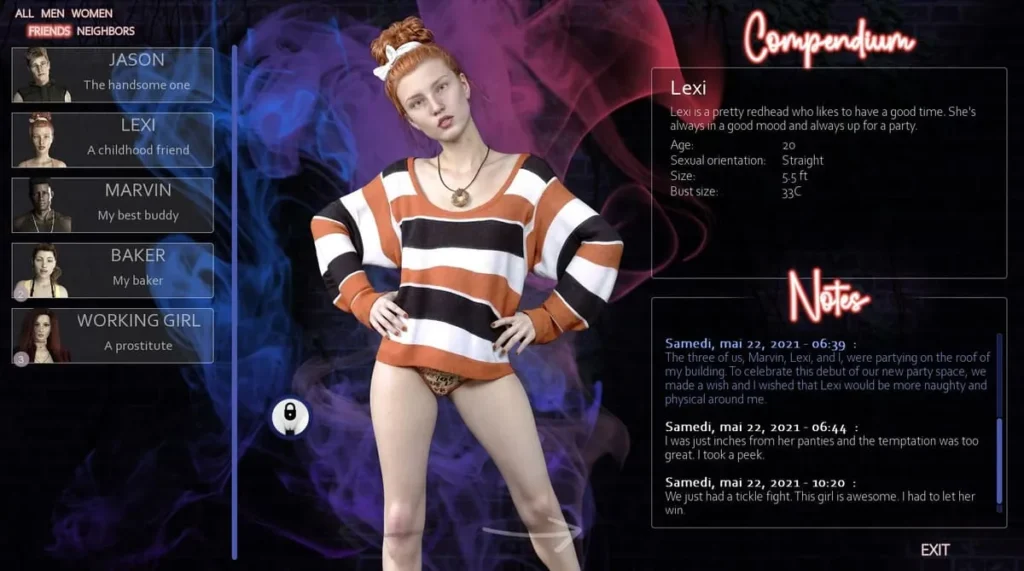






Jason, Coming of Age review
Explore the interactive visual novel experience of navigating adulthood through Jason’s journey
Jason, Coming of Age stands out as a distinctive interactive visual novel that invites players into the life of a young man stepping into adulthood. This engaging experience follows Jason, a 25-year-old protagonist navigating the complex realities of growing up. Unlike traditional games, this visual novel emphasizes player choice and consequence, allowing you to shape Jason’s journey through meaningful decisions. Whether you’re interested in relationship-building, personal growth narratives, or interactive storytelling, this game offers a captivating exploration of what it means to come of age in the modern world. Discover what makes this visual novel a memorable experience for players seeking depth and emotional resonance.
Understanding Jason, Coming of Age: Game Overview and Core Mechanics
Ever felt like adult life is one giant, confusing puzzle where none of the pieces seem to fit? 😅 You’re not alone. That’s the exact feeling Jason, Coming of Age captures so perfectly. This isn’t just another game you play; it’s an experience you live through. As a 25-year-old who recently navigated my own quarter-life crisis (let’s just say my attempt at a “productive” sourdough starter was a tragic, sticky metaphor), I found a surprising comfort in guiding Jason through his. This interactive visual novel hands you the reins to a story about the messy, beautiful, and often hilarious journey of figuring it all out.
So, grab a coffee (or a stronger beverage—no judgment here), and let’s dive into what makes this choice-based narrative game a standout experience in storytelling.
What Is Jason, Coming of Age?
At its heart, Jason, Coming of Age is a digital mirror held up to the uncertainties of your late twenties. You step into the worn-out shoes of Jason, a freshly minted 25-year-old who’s grappling with the monumental question: “What now?” 🎯 The career path he chose feels shaky, friendships are evolving (or dissolving), and the pressure to have life “sorted” is a constant, low-grade hum. This coming of age story game masterfully transforms these universal anxieties into a compelling, playable narrative.
What defines this experience and sets it apart from other game genres? It’s all about focused narrative immersion. Unlike action-packed RPGs or strategy games, the primary “action” here happens in dialogue choices, internal monologues, and relationship-building moments. The visual novel mechanics prioritize story and character over reflexes or resource management. You won’t be grinding for experience points; you’ll be navigating awkward conversations, making moral compromises, and deciding who you want to be—all through a beautifully presented sequence of art, text, and sound.
The game’s power lies in its specificity. This isn’t a fantastical adventure with dragons (though some of Jason’s dates might feel equally perilous 🐉). It’s a grounded, often painfully relatable simulation of early adulthood. The interactive visual novel format is the perfect vehicle for this, as it allows for deep exploration of emotions and consequences in a way few other genres can. You’re not just watching Jason’s life unfold; you’re actively writing it with every decision you make.
Interactive Visual Novel Gameplay Mechanics
Alright, let’s get into the nuts and bolts—or rather, the choices and consequences. The Jason Coming of Age gameplay is elegantly simple on the surface but wonderfully complex underneath. If you’re new to the genre, think of it like reading a compelling graphic novel where you control the protagonist’s dialogue and decisions. Your primary tools are your attention, your empathy, and your mouse (or tap).
The core loop is immersive and intuitive. You read through narrative text and dialogue, admire the character art that reflects emotions and settings, and are periodically presented with key decision points. These aren’t always grand, life-altering declarations. Sometimes, the most impactful choice is whether to be sarcastic or sincere, to text someone back immediately or play it cool, or to spend your last $20 on a decent dinner or save it for a rainy day. 🌧️
Here are the key gameplay features and mechanics that define the experience:
- The Choice Wheel: At critical moments, a selection of dialogue or action options appears. The timer (on certain difficulty settings) adds a pulse of real-world pressure, mimicking those split-second social decisions we all face.
- Relationship Metrics: Hidden but influential, your choices steadily build or erode your connections with other characters. A flippant comment to a friend might not end the relationship instantly, but it shifts the dynamic.
- The “State of Mind” System: Jason’s emotional and mental well-being is tracked. Choices affecting his stress, confidence, and happiness can open up or lock down future story branches.
- Branching Narrative Pathways: Every choice, big or small, sends a ripple through the story. Missed opportunities, new romances, and career shifts all stem from these moments.
- Save & Explore Function: The game actively encourages multiple playthroughs. You can save before a major decision and explore wildly different outcomes, seeing how a single changed answer can alter Jason’s entire trajectory.
The beauty of these visual novel mechanics is how they translate real-life ambiguity into game systems. There’s rarely a blatantly “good” or “bad” choice—just choices that lead to different versions of Jason and different shapes of his life. This makes the Jason Coming of Age gameplay deeply personal. Your own values and instincts will guide your first playthrough, making the outcome uniquely yours.
To visualize how your journey can diverge, here’s a simple look at a potential branching path early in the game:
| Your Key Decision | Immediate Consequence | Potential Long-Term Story Branch |
|---|---|---|
| Accept a last-minute, stressful work project. | Impress your boss, but cancel plans with a close friend. | Unlocks a path for a promotion or new career opportunity, but strains a key friendship that may be needed for support later. |
| Prioritize your friend’s birthday party over work. | Strengthen your social bond, but receive a warning from your manager. | Deepens a supportive relationship that provides crucial advice in a future crisis, but puts your job security on shakier ground. |
| Try to do both by going to the party late and working remotely. | Moderate stress increase, mediocre performance in both areas. | Leads to a “burnout” narrative thread, where Jason must later address his inability to set boundaries. |
Character Development and Player Choice
This is where Jason, Coming of Age truly shines as a character development visual novel. Jason isn’t a blank slate superhero; he’s a flawed, hopeful, and sometimes frustratingly real person. Your job isn’t to “win” the game, but to shepherd him through a period of significant personal growth. The game expertly ties every mechanic back to this central theme: we are the sum of our choices.
Let’s talk about relationships, the true backbone of this branching storyline game. Connections with other characters—be they potential romantic partners, longtime friends, family, or professional contacts—are not just side quests. They are the main plot. 🫂 The game asks you to consider what you value: Is it a passionate, chaotic romance that challenges you? A stable, comforting partnership? Or is this a time for Jason to focus on himself? Your choices in dialogue, gift-giving, and time management directly shape these bonds. Forget simple “like” meters; relationships evolve in complexity, with past interactions remembered and referenced, making every connection feel earned and authentic.
Now, for the mature content. The game handles themes like intimacy, career anxiety, and personal failure with a nuanced, realistic touch. It doesn’t shy away from the messy parts of adulthood, but it integrates them into the narrative to serve character and story, not for mere shock value. This balance is what makes the emotional storytelling so powerful.
A Tip from My Playthrough: Don’t reload a save immediately after a “bad” choice. Some of the most profound character development comes from sitting with the consequences of a mistake and role-playing how Jason would realistically recover from it. It’s uncomfortable, but it’s real growth.
Example of how player choices affect narrative outcomes and character relationships:
Imagine a scene where Jason is offered a job interview for a high-paying corporate role—something stable but soul-crushing—on the same afternoon he promised to help his aspiring-artist best friend, Leo, prepare for a crucial gallery showing. 🎨
- Choice A (Prioritize Career): You tell Leo you can’t make it. The interview goes well. The narrative branch here leads to financial stability for Jason, new professional connections, and scenes of upward mobility. However, your relationship with Leo becomes strained and formal. Much later, when Jason faces an ethical dilemma at this new job, he may find himself without his old friend’s grounded perspective.
- Choice B (Prioritize Friendship): You call in sick and help Leo. The gallery show is a success, strengthening your bond immensely. This branch unlocks storylines about the local art scene, collaborative projects, and a deep, supportive friendship. The trade-off is continued financial precarity for Jason and a missed corporate opportunity that closes certain lifestyle and story paths.
- Choice C (Try to Juggle Both): You attend the interview but rush out early to make it to the gallery late. This often leads to the worst of both worlds—a mediocre interview impression and letting Leo down. While this seems like a failure, it can unlock a unique narrative about Jason learning his limits, leading to a powerful storyline about burnout and self-care.
This example shows how the interactive visual novel format turns everyday dilemmas into gripping gameplay. You’re not just choosing an activity; you’re defining Jason’s values, his priorities, and ultimately, the person he becomes by the end of his journey. The coming of age story game delivers its message not through a lecture, but through the weight of your own decisions.
In the end, Jason, Coming of Age is more than a game. It’s a thoughtful exploration of a pivotal life chapter, packaged with compelling visual novel mechanics and profound emotional resonance. It reminds us that adulthood isn’t about finding a single, perfect path, but about learning to navigate the winding, branching road we create for ourselves, one choice at a time. ✨
Jason, Coming of Age delivers a compelling interactive experience that goes beyond traditional gaming by emphasizing narrative depth and meaningful player agency. As a visual novel centered on the protagonist’s journey through adulthood, the game successfully combines relationship-building, personal growth, and emotional storytelling into a cohesive experience. The emphasis on player choice ensures that each playthrough feels personal and consequential, allowing you to shape Jason’s path in ways that resonate with your own values and preferences. Whether you’re drawn to the romantic elements, the character-driven narrative, or the exploration of what it means to mature in today’s world, this game offers something distinctive in the interactive entertainment landscape. For players seeking narrative-rich experiences that prioritize emotional connection and meaningful decisions, Jason, Coming of Age represents a worthwhile investment in interactive storytelling.