Amity Park
Play Amity Park
Amity Park Screenshots
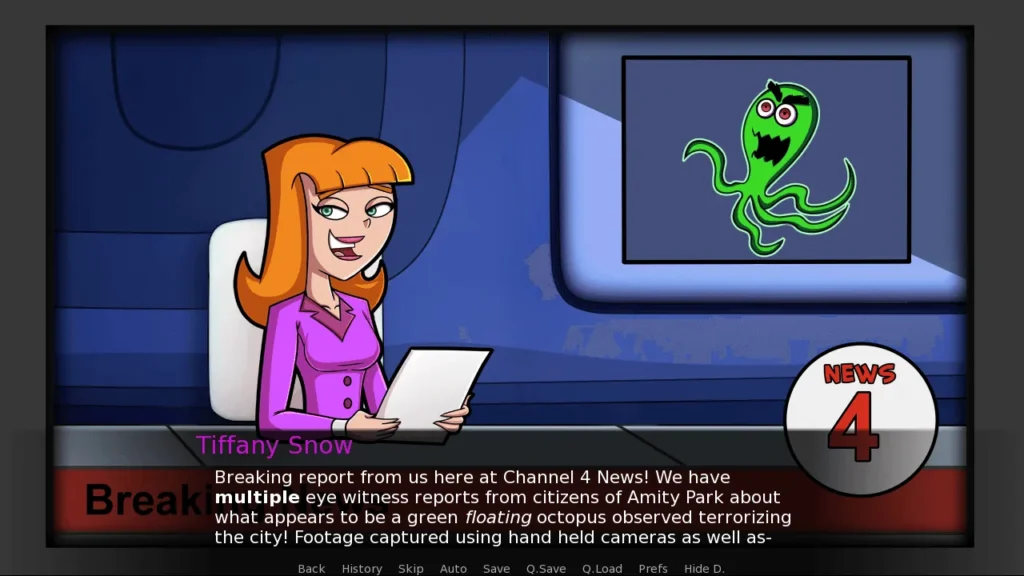
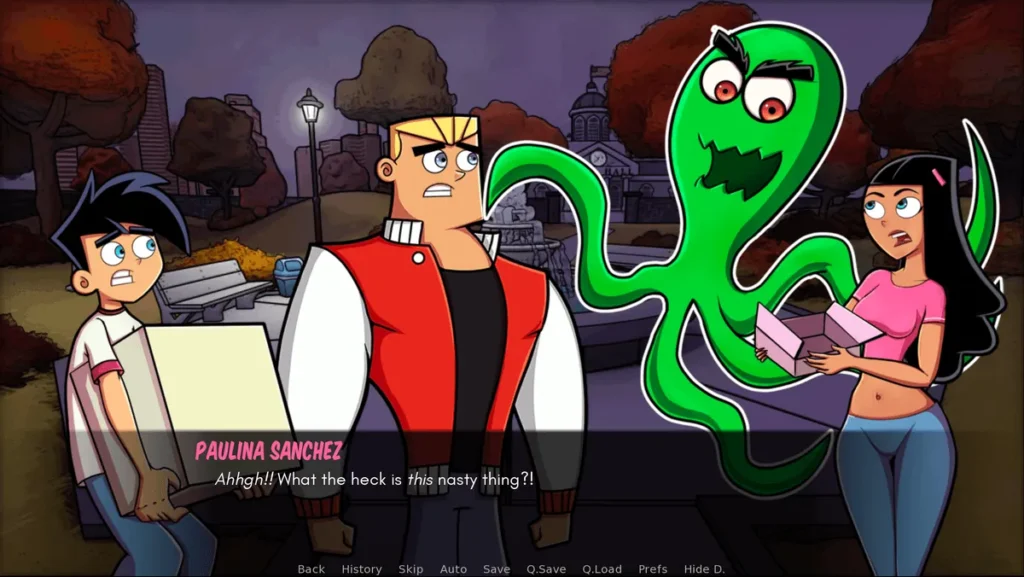
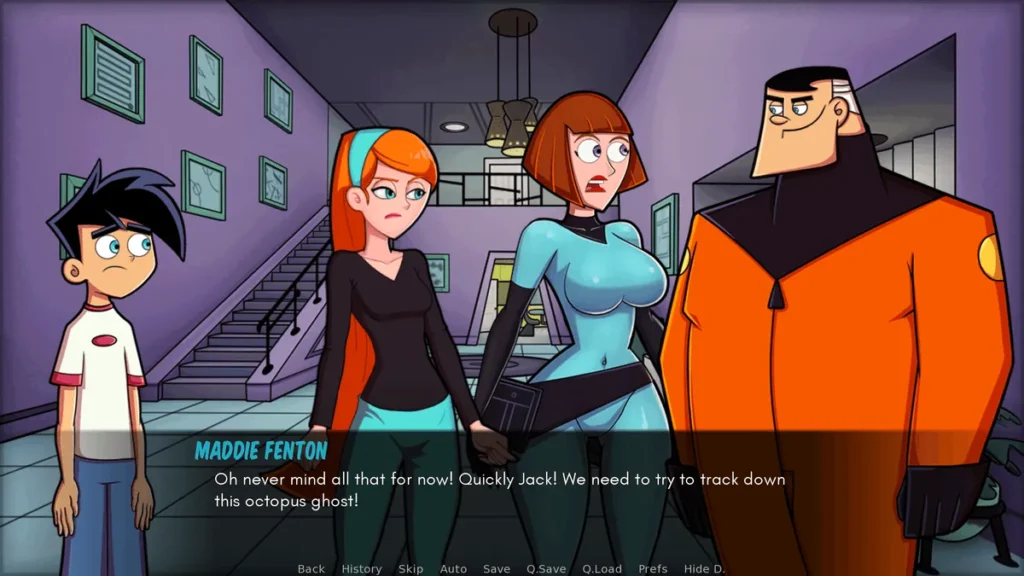

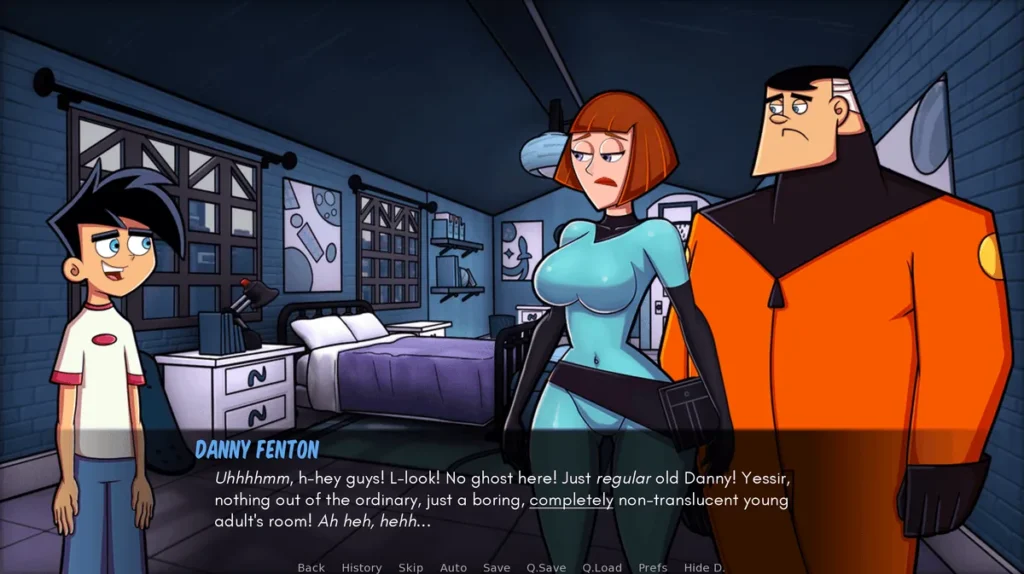
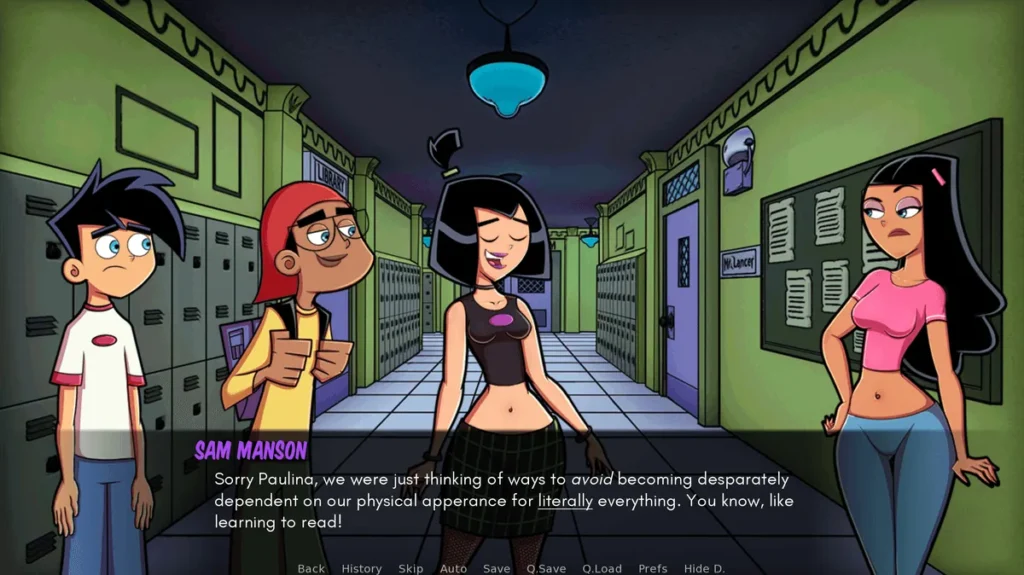

Amity Park review
A practical, player-focused walkthrough and review of the Amity Park game
Amity Park is a narrative-driven simulation game that puts players into a familiar town setting with strong character-driven scenes and branching interactions. In this article I share hands-on impressions, practical tips, and a step-by-step approach to help new players get started and experienced players refine their runs. Whether you want a reliable walkthrough, character build recommendations, or troubleshooting help, this guide covers the full player experience while drawing on personal play sessions and community-tested strategies.
Getting Started: Installation, Requirements and First Impressions
Alright, let’s get you into the game! 🎮 Before you can explore those spooky streets and meet its unique inhabitants, you need to get Amity Park onto your machine. This section is your no-nonsense guide to a smooth setup, from checking if your PC can handle it to those crucial first moments after launch. I’ll walk you through every step I wish I’d known from the start.
System requirements and safe installation
First things first: let’s make sure your rig is ready. There’s nothing worse than the excitement of a new game being crushed by a laggy slideshow or, worse, a crash on startup. 😅 Checking the Amity Park system requirements is your essential first move.
Based on my experience and the developer’s notes, Amity Park isn’t a graphically monstrous AAA title, but it does have its own style and atmosphere that need a modest machine to run smoothly. Here’s a quick breakdown to see where you stand:
| Component | Minimum | Recommended |
|---|---|---|
| CPU | Intel Core i3 or AMD equivalent | Intel Core i5 / AMD Ryzen 5 |
| RAM | 4 GB | 8 GB |
| GPU | Integrated Graphics (Intel HD) or DirectX 11 compatible | NVIDIA GTX 750 Ti / AMD Radeon R7 260X |
| Disk Space | 2 GB | 4 GB |
| Common File Types | .zip, .exe (Windows), .dmg (macOS), AppImage (Linux) | |
🔒 Security First Tip: Always download Amity Park from its official store pages like itch.io or GameJolt. I make it a rule to run a quick virus scan on any downloaded
.exeor archive file before opening it. It’s a simple step that saves a lot of potential headache.
Now, for the main event: the Amity Park install process. Thankfully, it’s usually straightforward. Most often, you’ll download a .zip file. Here’s how to install Amity Park game files safely:
1. Create a dedicated folder for it on your drive (I use C:\Games\AmityPark).
2. Extract the entire contents of the .zip file directly into that folder.
3. Look for the executable (usually AmityPark.exe or similar) and create a shortcut to your desktop.
For macOS and Linux users, the process is similar—just look for the .dmg or AppImage file respectively. A common Amity Park compatibility issues for Linux can involve library dependencies; if the game doesn’t launch, check the developer’s page for any required packages.
First-time setup and initial choices
You’ve double-clicked the icon and the game is launching! 🚀 This is where your Amity Park first impressions really start to form. The first launch might take a moment as it sets up initial configurations.
Once you’re in, you’ll likely be greeted by a settings menu. Here’s what I tweak right away:
* Resolution: Make sure it matches your monitor’s native resolution for the crispest image.
* Audio: I usually test the sliders to balance the often-creepy ambient music with sound effects.
* Input: Confirm your mouse, keyboard, or controller is recognized. The game sometimes defaults to keyboard prompts even if a controller is plugged in.
* Accessibility: Take a moment to browse these options! Amity Park offers some helpful toggles for subtitles, text size, and color-blind modes, which I really appreciate.
A crucial bit of housekeeping: find your Amity Park save location. Saves are typically tucked away in your user directory. On Windows, look in C:\Users\[YourName]\AppData\Roaming\AmityPark or within the LocalLow folder. I made a shortcut to this folder on my desktop. Why? So I can back it up manually after every major session. It’s a lifesaver if anything ever goes wrong.
Personal first-play anecdote and quick tips
I remember my first launch vividly. The initial loading screen had this eerie, quiet soundtrack that had me leaning in close to my speakers—only for the main menu theme to swell up and make me jump! 😂 The UI felt charmingly retro but clean. My first piece of actionable advice? Be patient on first load. It might seem like it’s hanging for a second, but it’s just getting things ready.
Here are my three quick tips before you press “New Game”:
1. Back Up Early: Once you’ve confirmed the Amity Park save location, zip that folder and save a copy elsewhere. Do it now before you get invested!
2. Folder Hygiene: Keep your game folder clean. If you add any mods or custom content later (only from trusted sources!), place them in the designated mods folder if one exists.
3. Windowed Mode for Troubleshooting: If the game acts up on launch, try running it in windowed or borderless windowed mode from the settings. This solves more initial display Amity Park compatibility issues than you’d think.
If the game doesn’t start, run through these quick checks:
* Updated Drivers: Are your graphics card drivers current?
* Redistributables: Ensure Visual C++ runtimes and DirectX are up-to-date (common for Windows).
* Admin Rights: Try running the game as an administrator once, just to rule out permission issues.
And that’s it! You’re now ready to dive in. The Amity Park install process is behind you, your system is prepped, and your saves are secure. All that’s left is to step into the park and see what awaits. Have fun, and watch out for ghosts! 👻
This guide walked through how to get started with Amity Park, the game’s core mechanics, character paths and endings, a segmented walkthrough, and how to use community content responsibly. My hands-on playthroughs informed practical tips for prioritizing actions and achieving preferred outcomes, and the included checklists and examples will help you plan efficient runs. If you try a different approach, save before major branching points and share your experience in community channels so others can learn from your run.